Almond Chocolate Cookies

Almond Chocolate Cookies

Almond Chocolate Cookies

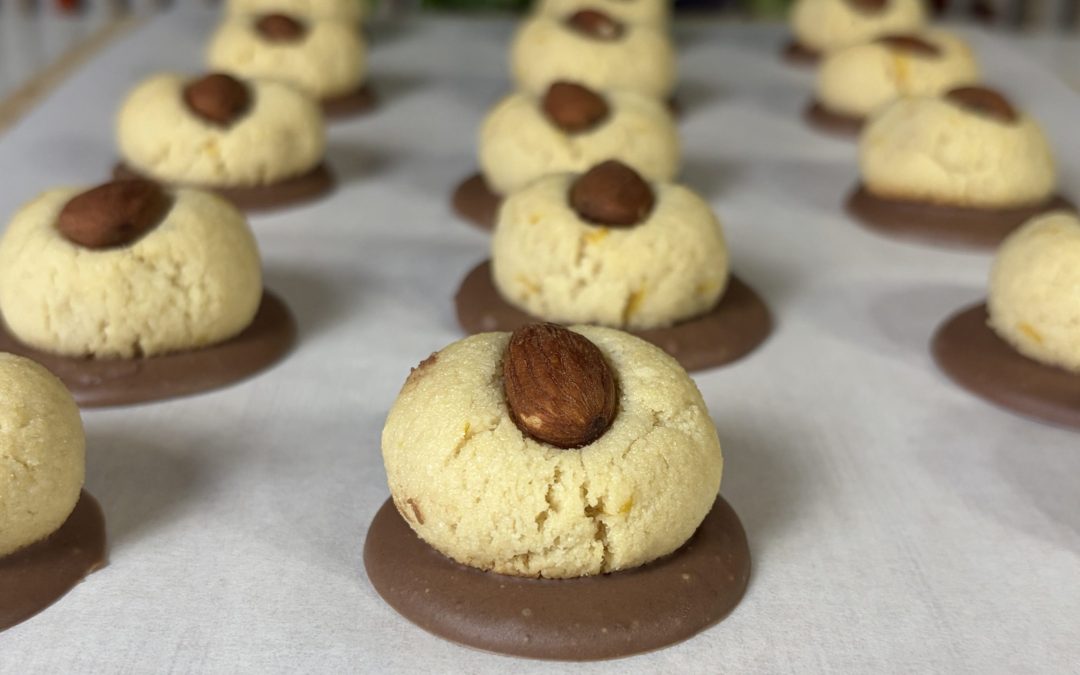
If you’re looking for a delicious homemade treat that combines the delicate flavor of almonds with the irresistible taste of chocolate, these Almond Chocolate Cookies are definitely worth trying! Soft, tender, and naturally fragrant, these little almond biscuits have a wonderful texture and a lovely hint of fresh lemon zest that balances their sweetness. What makes them particularly special is their elegant presentation: each cookie sits on a smooth chocolate base, creating a beautiful combination of flavors and textures that makes them look just as good as they taste.
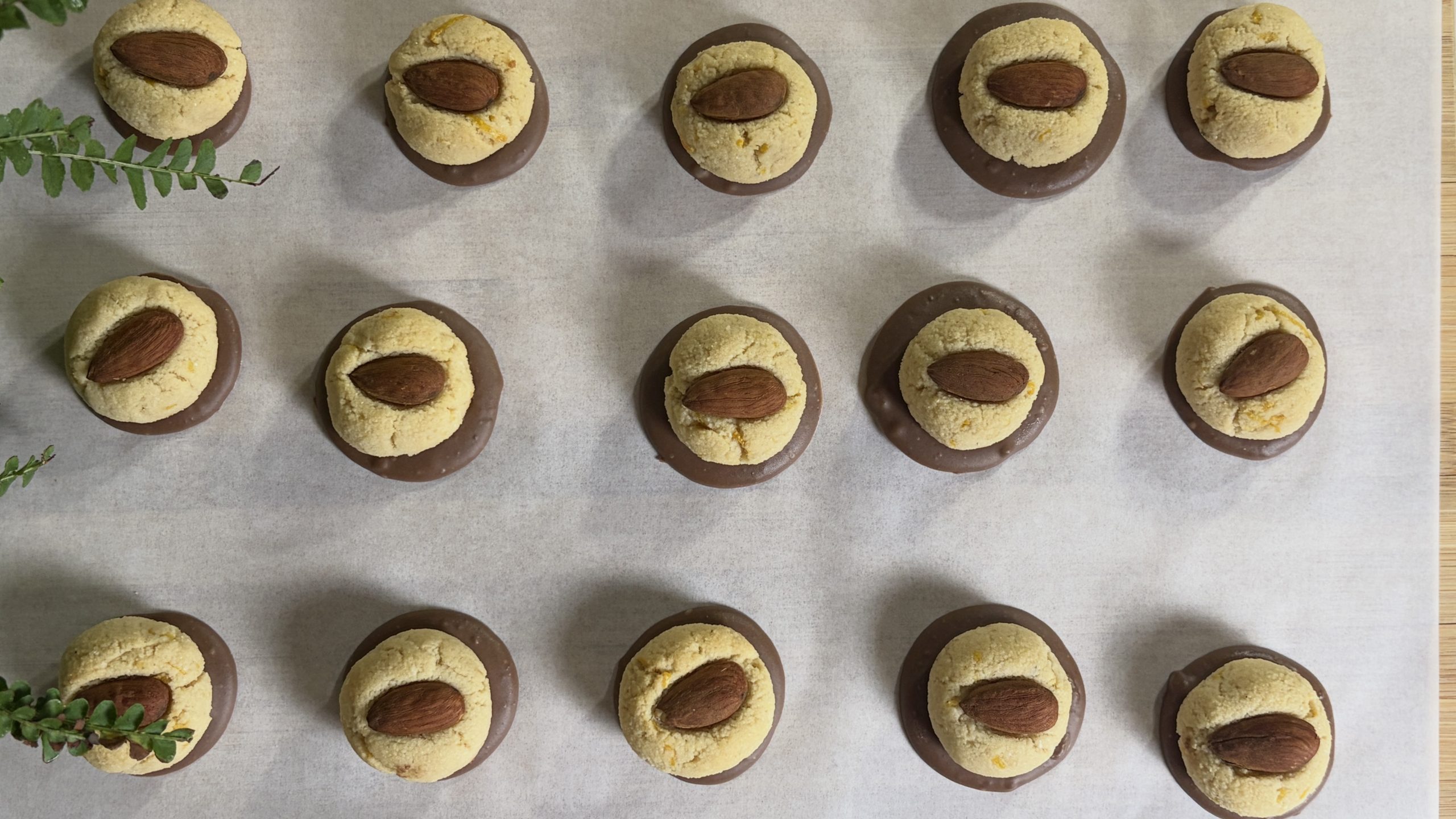
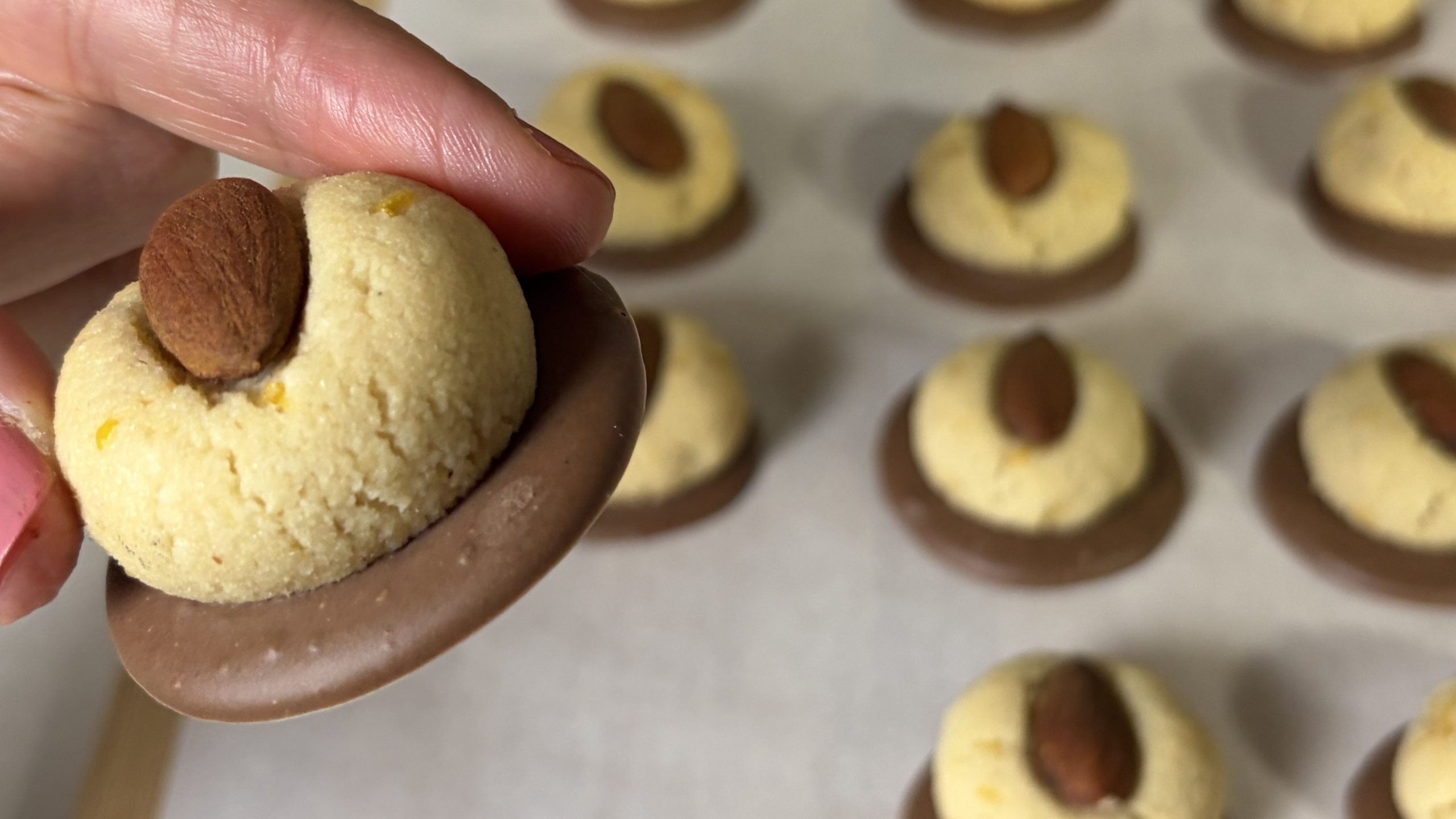
Made with almond flour instead of traditional wheat flour, these naturally gluten-free almond cookies are a wonderful alternative to conventional biscuits. The recipe uses simple ingredients, including egg white, maple syrup, almond extract, and lemon zest, to create a soft dough that is easy to prepare and shape. A whole almond pressed into the center adds a little crunch, while the chocolate underneath provides a delicious finishing touch. They are perfect for afternoon coffee, holiday cookie platters, homemade dessert boxes, or even as a thoughtful edible gift for friends and family.
Why Almonds Are a Nutritious Ingredient to Include in Your Diet

Almonds are much more than a delicious addition to homemade baking. They are nutrient-dense nuts and an excellent source of vitamin E, magnesium, plant-based protein, fiber, and heart-friendly unsaturated fats. Vitamin E acts as an antioxidant, helping protect cells from oxidative stress, while magnesium contributes to normal muscle and nerve function, energy metabolism, and bone health. Their combination of healthy fats, protein, and fiber also makes almonds a satisfying food that can support fullness between meals. Regularly including almonds in a varied and balanced diet is a simple way to increase your intake of important nutrients while enjoying a naturally flavorful whole food. Almond flour retains many of these nutritional qualities, making it a particularly useful ingredient for adding nourishment and a naturally rich texture to gluten-free baking.
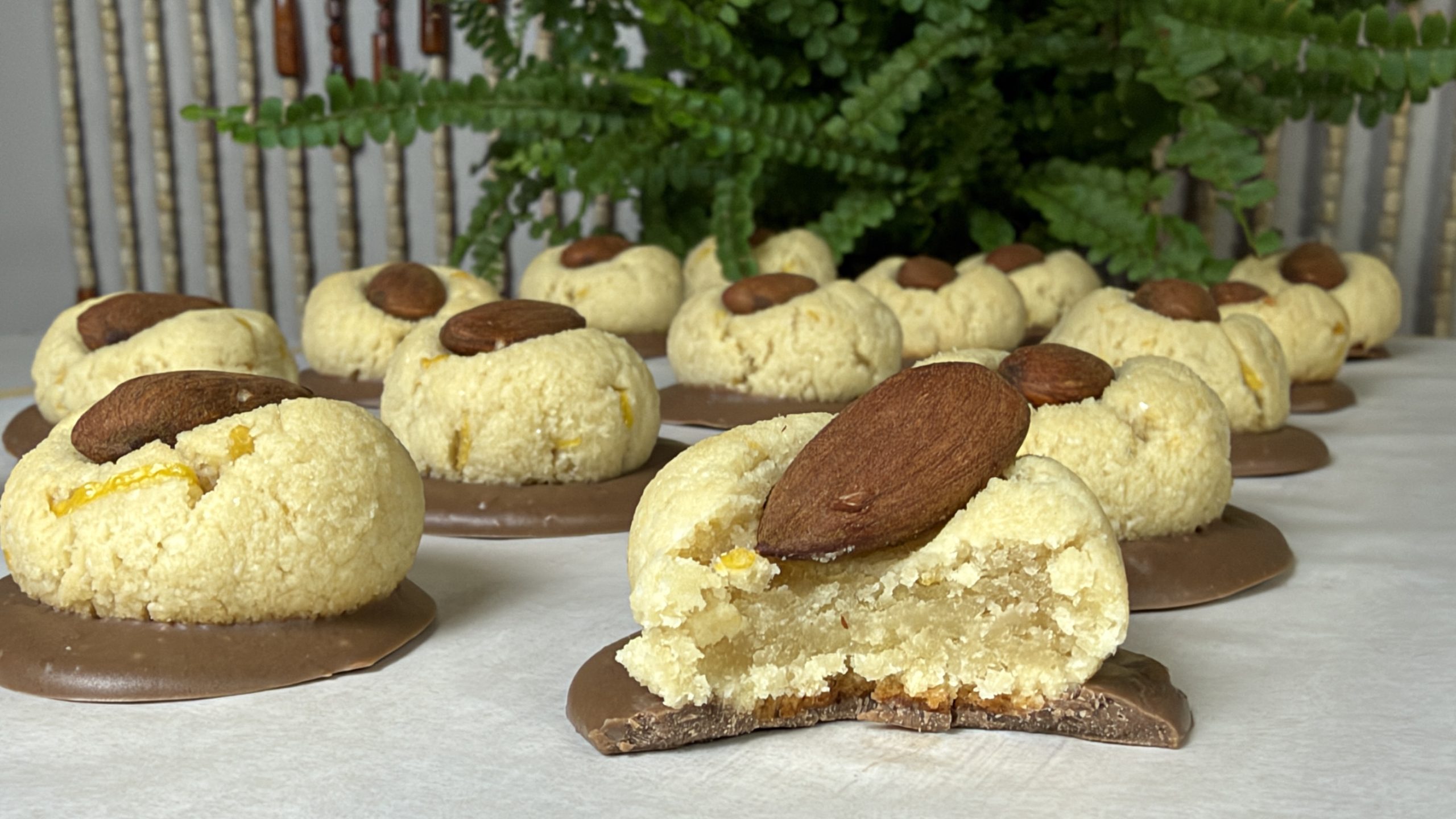
Another lovely feature of this recipe is that it uses egg white rather than a whole egg, maple syrup for sweetness, and almond flour as its main ingredient. Although these cookies contain fats naturally present in almonds and chocolate, they offer a delicious homemade alternative to many conventional biscuits made with refined wheat flour and butter. With their delicate almond flavor, refreshing citrus aroma, and chocolate finish, they are a wonderful example of how simple ingredients can come together to create something truly special!

Directions

  1. In a mixing bowl, combine the egg white, maple syrup, almond flour, almond or vanilla extract, and lemon zest.
  2. Stir gently until a soft, manageable dough forms. Let it rest so the flavors can develop.
  3. Preheat the oven to 340°F (170°C) and line a baking tray with parchment paper.
  4. Divide the dough into equal portions, shape each into a round ball, and arrange them on the prepared tray.
  5. Gently flatten each ball and press a whole almond into the center for decoration.
  6. Bake until the cookies are lightly golden. Remove from the oven and allow them to cool completely.
  7. Melt the dark and white chocolate together, stirring until smooth and fluid enough to spread.
  8. Line a large plate or tray with parchment paper and spoon small circles of melted chocolate onto it to create the cookie bases.
  9. Carefully place each cooled cookie over a chocolate circle, keeping the chocolate within a neat, rounded outline.
  10. Repeat with the remaining cookies and refrigerate until the chocolate bases are completely firm.

Ingredient List

  • 1 egg white
  • ¼ cup maple syrup
  • 1½ cups (150 g) almond flour
  • 1 teaspoon almond extract or vanilla extract
  • Zest of 1 lemon
  • 15 whole almonds (approximately 20 g), for decoration
  • 70 g dark chocolate (80% cocoa)
  • 30 g white chocolate

Preparation Time, Baking Information & Servings

  • Preparation time: 20 minutes
  • Baking time: 18–20 minutes
  • Refrigeration time: Approximately 1 hour
  • Total time: Approximately 1 hour and 40 minutes
  • Servings: 15 cookies
  • Oven temperature: 340°F (170°C)

Nutritional Information

Per 1 cookie (15 servings):

  • Calories: 120 kcal
  • Protein: 3.2 g
  • Fat: 8.77 g
  • Carbohydrates: 8.79 g
  • Fiber: 1.9 g

These values are approximate and may vary depending on the brands and specific ingredients used.

Storage & Recommendations

  • Store the finished almond chocolate cookies in an airtight container in the refrigerator for up to one week.
  • These cookies can also be frozen. Place them in a freezer-safe container, separating the layers with parchment paper to prevent sticking or damaging the chocolate bases.
  • For an elegant homemade gift, arrange the finished cookies in individual paper cupcake liners inside a decorative gift box. Keep them cool during transport to prevent the chocolate bases from softening.
  • Choose almond flour and chocolate products labeled gluten-free if you need to avoid gluten strictly. Check the ingredient labels for possible cross-contamination.
  • Allow the cookies to cool completely before assembling them with the melted chocolate. This is important to keep the chocolate bases neat and prevent them from melting.
  • For the best presentation, make sure the melted chocolate is smooth and fluid enough to spread, but not so runny that it loses its circular shape.
  • You can experiment with different chocolate combinations, using more dark chocolate for a richer, less sweet finish or adjusting the white chocolate proportion to your taste.

Gluten-free: Yes, when prepared with certified gluten-free ingredients.

Naturally flourless: Made without traditional wheat flour, using almond flour instead.

Refined-flour-free: Yes.

Storage: Refrigerate for up to one week or freeze for longer storage.
Pumpkin Pancakes

Pumpkin Pancakes

Pumpkin Pancakes

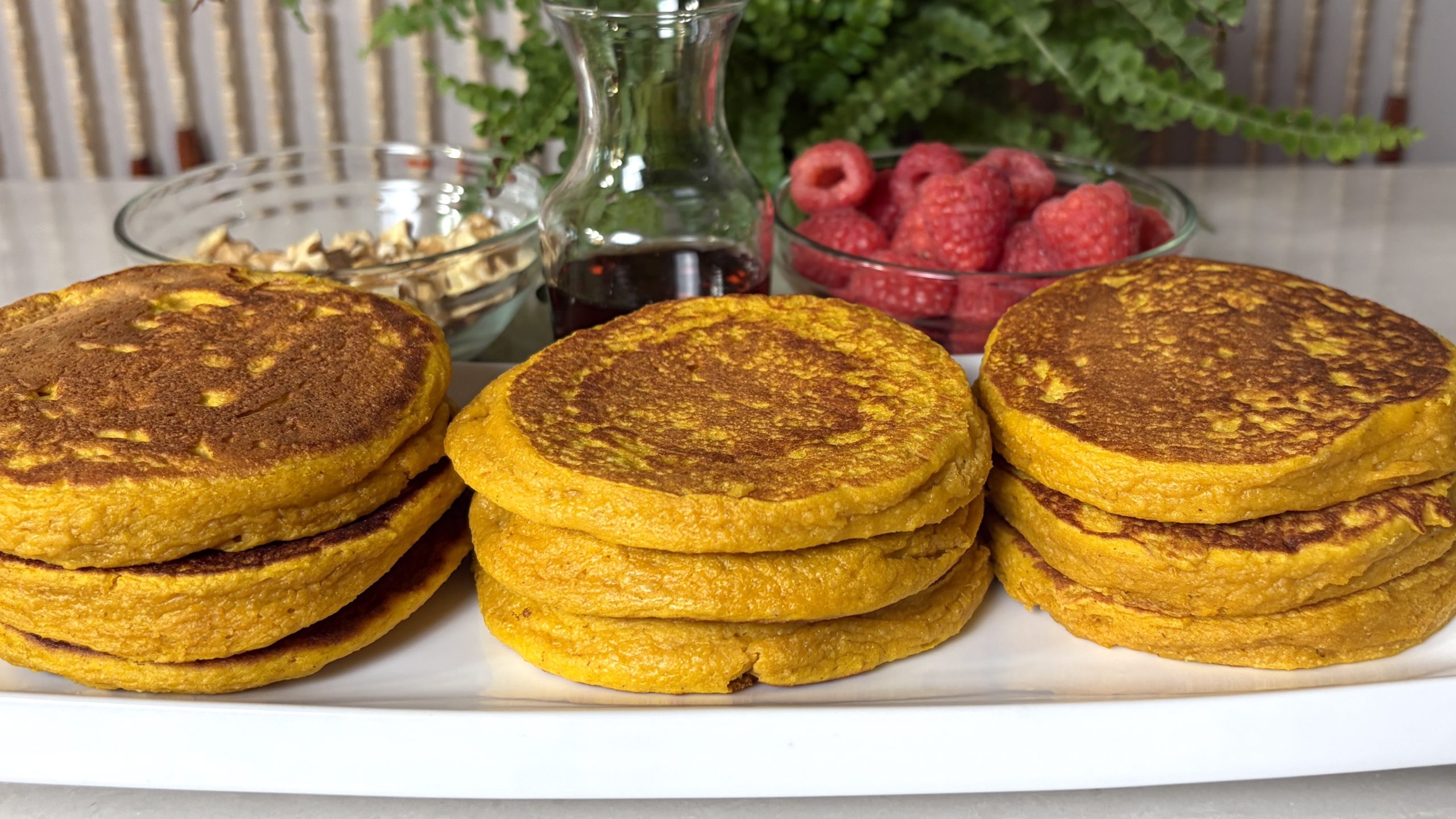
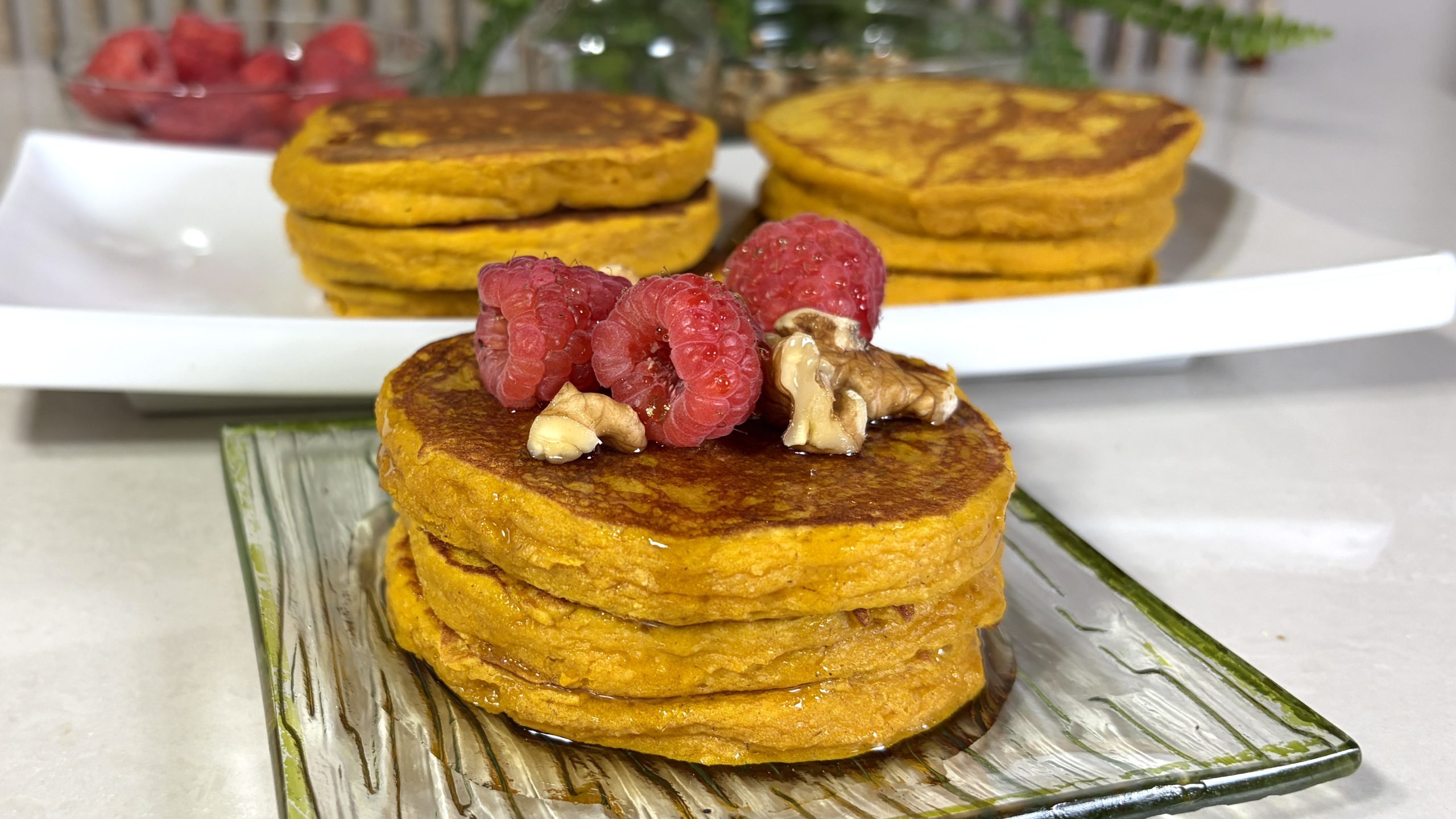
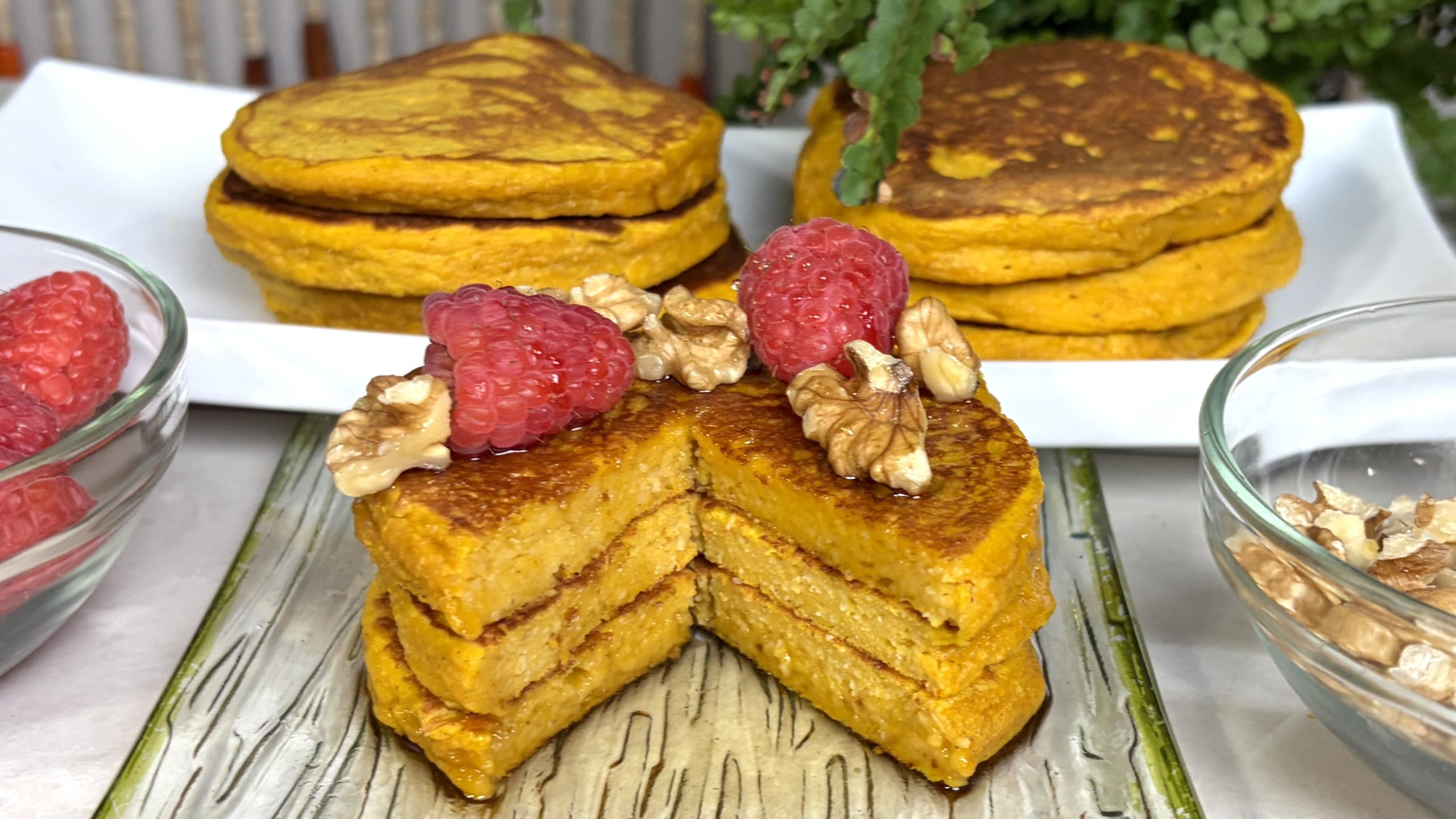
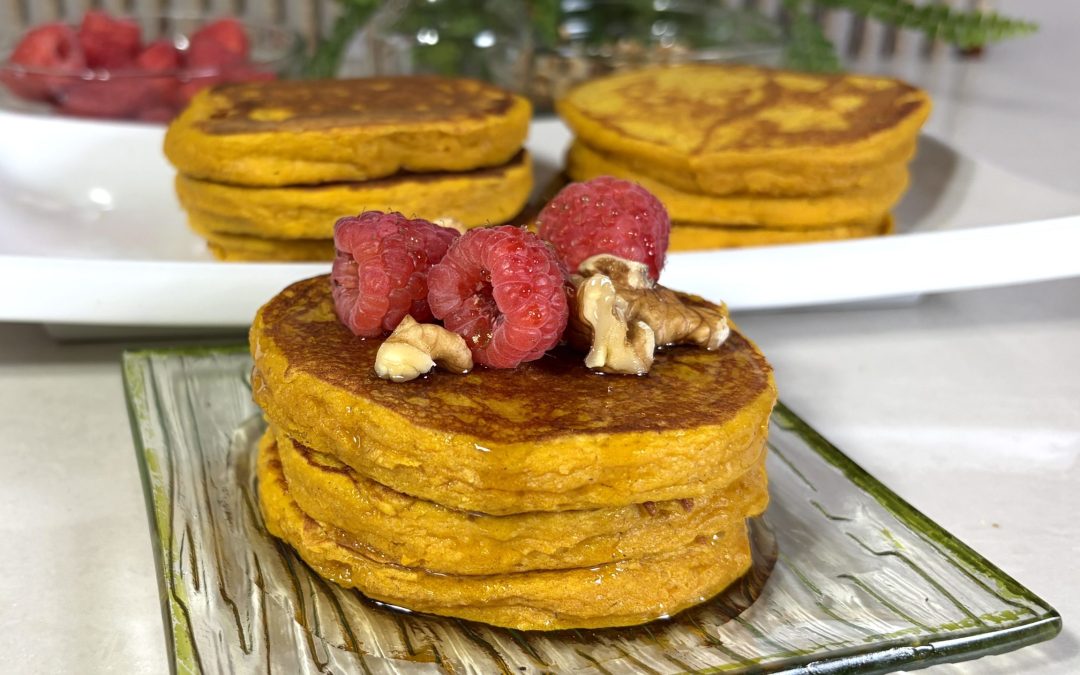
Pumpkin season is the perfect excuse to bring a little autumn magic to your breakfast table! If you love pancakes but enjoy experimenting with wholesome ingredients, these pumpkin oat pancakes are a delicious way to give a breakfast classic a seasonal twist. They’re soft, thick, and wonderfully fluffy, with the naturally earthy sweetness of pumpkin and a delicate hint of almond or vanilla. Best of all, they bring together comforting fall flavors and nourishing ingredients in a recipe that feels just as suitable for a cozy weekend brunch as for an everyday breakfast.

Instead of traditional refined flour, these pancakes use homemade oat flour, making them a wonderful option for anyone looking to incorporate more whole grains into their meals. The addition of pumpkin purée and Greek yogurt creates a moist, tender batter, while whipped egg whites help give the pancakes a light, airy texture. Serve them warm with fresh raspberries, chopped walnuts, and a drizzle of maple syrup for a beautiful combination of creamy, fruity, crunchy, and sweet flavors.

Oats are especially valued for their nutritional benefits. They provide complex carbohydrates, plant-based protein, and dietary fiber, including beta-glucan, a soluble fiber that can help support healthy cholesterol levels and contribute to better blood sugar regulation as part of a balanced diet. Oats also supply important minerals, including manganese, magnesium, phosphorus, and iron. For a gluten-free version, choose oats specifically labeled gluten-free to reduce the risk of cross-contamination.

Pumpkin is another nutritional star of this recipe. Its vibrant orange color comes largely from beta-carotene, which the body can convert into vitamin A. Vitamin A supports normal vision, immune function, and healthy skin. Pumpkin also contributes fiber, potassium, and other beneficial plant compounds while adding moisture and flavor without relying on large amounts of added fat or sugar. Combined with protein-rich Greek yogurt and eggs, these pancakes make a satisfying breakfast that brings together whole grains, vegetables, and protein in one delicious dish.

As the principal ingredient of this recipe, pumpkin offers an incredible range of health benefits that make it an ideal staple for your regular diet. Low in calories yet packed with dietary fiber, pumpkin promotes optimal gut health, improves digestion, and keeps you feeling full and satisfied longer. It is exceptionally rich in antioxidants—including beta-carotene, alpha-carotene, and beta-cryptoxanthin—which help protect body cells against free radical damage, combat chronic inflammation, and strengthen overall immunity. Furthermore, its high potassium content supports healthy cardiovascular function and optimal blood pressure regulation. Incorporating pumpkin into your weekly meal planning is a simple, effective way to elevate your vitamin intake while enjoying a naturally sweet, nutrient-rich whole food.

Whether you’re looking for an easy fall breakfast, a creative way to use homemade pumpkin purée, or a new gluten-free pancake recipe, these pumpkin oat pancakes are a lovely addition to your seasonal cooking. And you don’t need to wait until autumn to enjoy them!

Ingredients

  • 1 cup (90 g) rolled oats, blended into oat flour

  • ¾ cup (200 g) pumpkin purée, homemade or canned

  • ¾ cup (180 g) plain Greek yogurt

  • 2 eggs, separated

  • ½ tbsp baking powder

  • 1 tsp almond essence, vanilla extract, or another flavoring of choice

  • A pinch of salt

  • A little coconut oil or another oil, for greasing the pan

For serving (optional):

  • Fresh raspberries

  • Chopped walnuts

  • Maple syrup

Instructions

  1. Make the oat flour by blending the rolled oats in a blender or food processor until finely ground. Set aside. You can also use ready-made oat flour.
  2. Prepare the pumpkin purée if making it from scratch. Clean a small pumpkin, cut it in half, remove the seeds, and place the halves on a baking tray. Bake at 400°F (200°C) for 35–45 minutes, or until the flesh is soft.
  3. Scoop the cooked pumpkin flesh into a bowl and blend it with a hand blender or food processor until smooth. Refrigerate until ready to use. Alternatively, use canned pumpkin purée.
  4. Separate the eggs. Place the yolks in a large mixing bowl. Add a pinch of salt to the egg whites and whisk until stiff peaks form. Keep the whipped whites in the refrigerator until needed.
  5. Combine the egg yolks, pumpkin purée, and Greek yogurt in the mixing bowl. Whisk until the mixture is smooth and uniform.
  6. Add the oat flour, baking powder, and almond extract or your chosen flavoring. Stir just until combined. The batter should remain thick.
  7. Gently fold the whipped egg whites into the batter until incorporated. Avoid stirring too vigorously, as preserving the air in the whites helps create lighter, fluffier pancakes.
  8. Preheat a nonstick pan over low heat and lightly brush it with coconut oil or another oil of choice.
  9. Spoon the equivalent of ⅓ cup or 1 ice cream scoop of batter into the pan and gently spread it into a round pancake shape if necessary. Keep the heat low to help the pancakes cook through without browning too quickly.
  10. Cook for approximately 2 minutes, or until the edges begin to look dry and the underside is golden.
  11. Carefully flip the pancake and cook the other side for another 2 minutes, until golden brown and cooked through. Flip again if necessary to ensure even cooking.
  12. Repeat with the remaining batter, lightly greasing the pan as needed. Serve the pancakes warm with fresh raspberries, chopped walnuts, and a drizzle of maple syrup, or choose your favorite toppings.

Nutritional Information

Per 1 Pancake:

  • Energy: 77 calories

  • Protein: 4.25 g

  • Fat: 2.07 g

  • Carbohydrates: 10.3 g

  • Fiber: 1.3 g

Prep, Cook, and Servings

  • Prep time: 20 minutes

  • Baking/Cooking time: 45 minutes

  • Servings: 9 servings

Notes and Recommendations

  • Store pancake leftovers in an airtight container in the fridge for up to 5 days.

  • Freeze for up to 3 months in a single layer before transferring them to a freezer-safe container, separating layers with parchment paper.

  • Keep the pan over low heat. Pumpkin pancakes are relatively thick, so cooking them slowly helps the centers cook before the outside becomes too dark.

  • Homemade purée can be prepared in advance and refrigerated in an airtight container for 3–4 days.

  • Naturally gluten-free when using certified gluten-free oats.

Orange Oat Cake

Orange Oat Cake

Orange Oat Cake

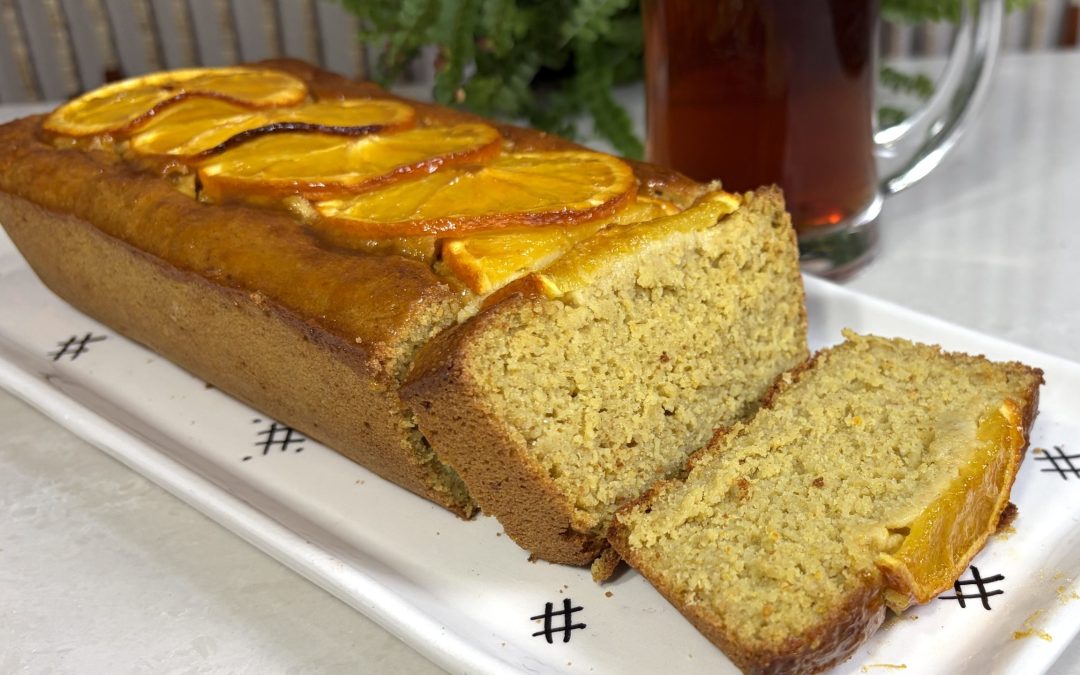
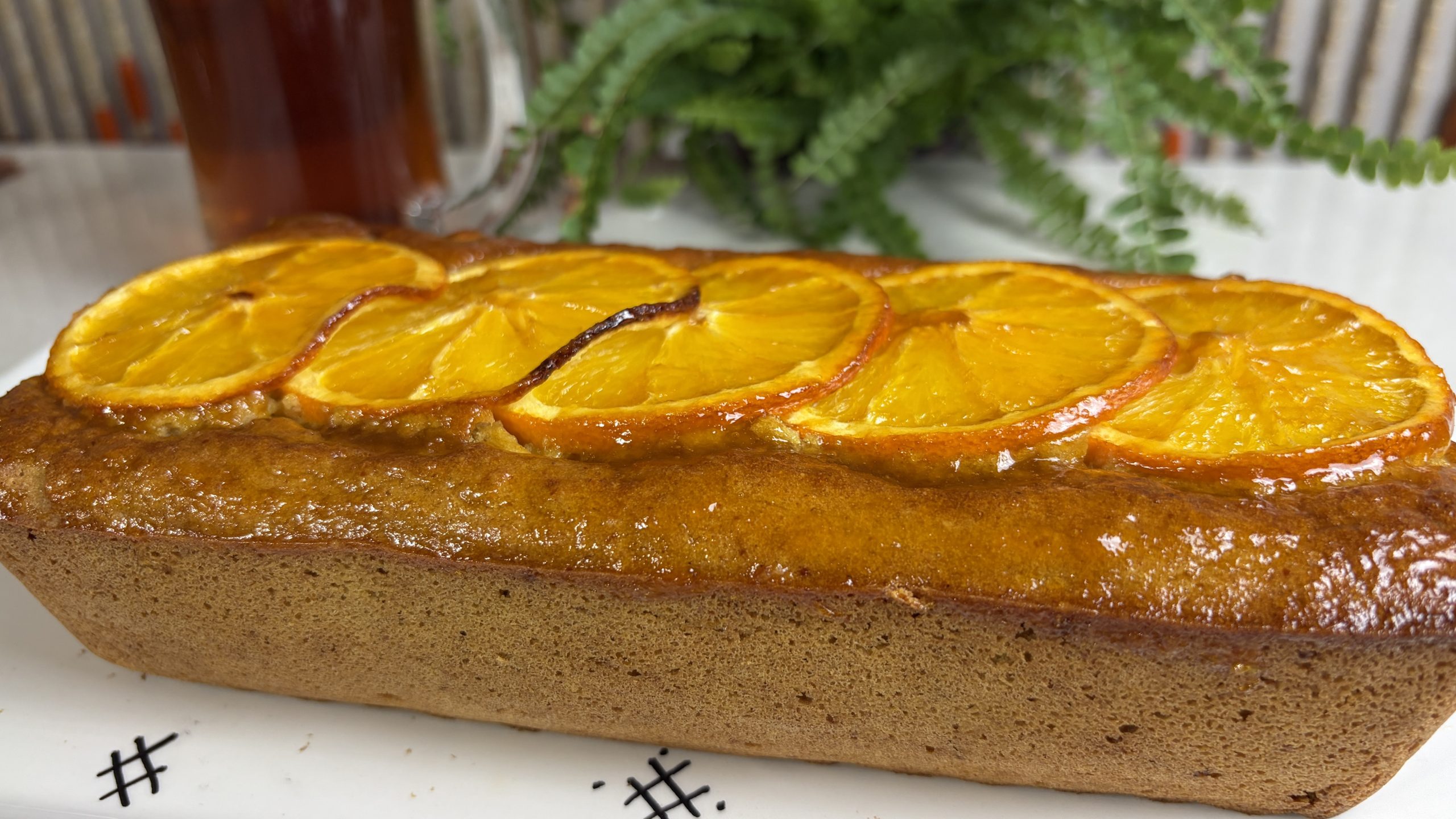
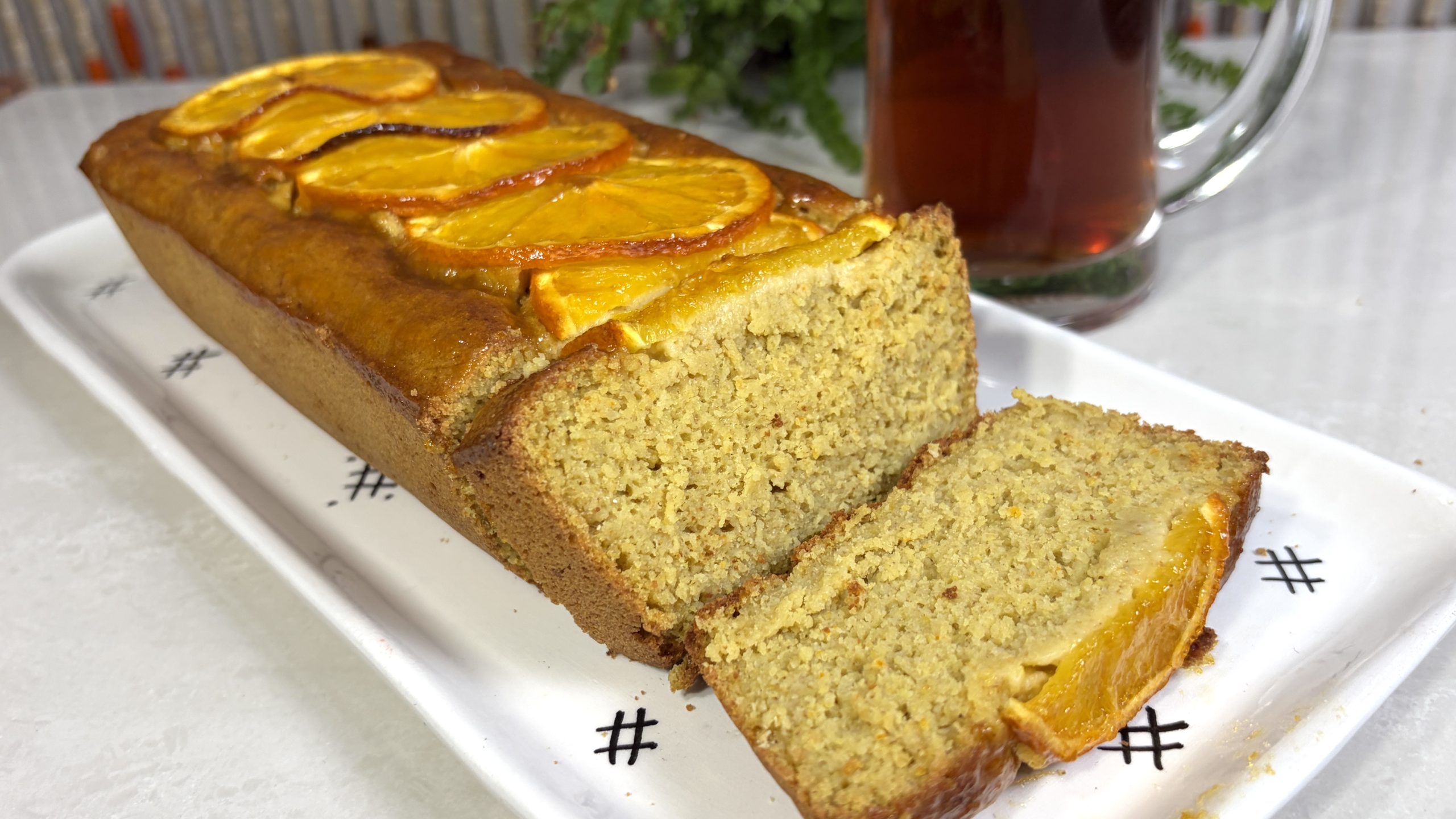
What better way to celebrate citrus season than turning a whole orange into a delicious homemade cake? This orange oat cake is wonderfully moist, fragrant and easy to make, with a delicate crumb and a fresh citrus flavor in every bite. Made with simple ingredients and no complicated baking techniques, it’s a lovely alternative to traditional orange cakes and perfect for breakfast, an afternoon snack or a homemade treat to share.

The secret is using a whole thin-skinned orange, including both the flesh and peel. Blended into the batter, it gives the cake a naturally vibrant flavor and irresistible aroma. Applesauce adds moisture and gentle sweetness, while maple syrup brings a delicious touch of natural sweetness. Whipped egg whites help create a lighter texture, making this oat flour cake surprisingly tender and airy.

Oats are also a nutritious ingredient worth including in your regular diet. They provide complex carbohydrates, fiber and a type of soluble fiber called beta-glucan, which can help support healthy cholesterol levels as part of a balanced diet. Their fiber content also contributes to digestive health and can help make meals more satisfying. Using oat flour instead of conventional wheat flour is an easy way to enjoy these benefits in homemade baking. Oats are naturally gluten-free, although people who need to avoid gluten should choose certified gluten-free oats to reduce the risk of cross-contamination.

Oranges bring their own nutritional benefits, particularly vitamin C, which supports normal immune function and helps the body absorb iron from plant-based foods. They also contain beneficial plant compounds, including flavonoids. By blending the whole orange into this cake, you make use of both the juicy flesh and the fragrant peel, creating a delicious citrus flavor throughout.

Finished with thin orange slices and an optional light coating of orange jam, this homemade orange oat cake looks beautiful and tastes just as inviting. It’s a simple, wholesome recipe to keep on hand whenever fresh oranges are in season!

Ingredients

  • 1 large thin-skinned orange (180 g), plus about ½ an orange (90 g) for topping

  • 2 eggs, separated

  • ⅓ cup maple syrup

  • ¼ cup avocado oil (60 ml), or your preferred oil

  • ½ cup applesauce (120 g)

  • 2 cups oat flour (180 g)

  • 10 g vanilla sugar (optional)

  • 1 tsp baking powder

  • Approximately 2 tbsp orange jam, for brushing (optional)

Directions

1. Wash the orange thoroughly under running water. Remove both ends, keeping the peel intact.

2. Cut the orange into large chunks and place them in a blender.

3. Separate the egg yolks from the whites.

4. Whisk the egg whites until stiff peaks form. Set aside in the refrigerator.

5. Add the egg yolks, maple syrup, avocado oil and applesauce to the blender with the orange.

6. Blend until completely smooth, ensuring the orange flesh and peel are finely broken down.

7. Pour the orange mixture into a large mixing bowl.

8. Add the oat flour, optional vanilla sugar and baking powder. Stir until just combined.

9. Gently fold the whipped egg whites into the batter, taking care not to overmix. This helps keep the cake light and airy.

10. Pour the batter into a silicone loaf pan or a regular loaf pan lined with parchment paper.

11. Gently shake the pan to level the batter.

12. Arrange thin orange slices over the top.

13. Bake in a preheated oven at 180°C (350°F) for approximately 45–50 minutes, or until lightly browned and cooked through. Insert a toothpick into the center to check that it comes out clean.

14. Let the cake cool slightly before transferring it to a serving plate.

15. Brush the top with orange jam, if desired, for a glossy finish. Slice and enjoy!

Preparation Time, Baking Information and Servings

  • Preparation time: 20 minutes

  • Baking time: 45–50 minutes

  • Total time: Approximately 65–70 minutes

  • Servings: 8

  • Oven temperature: 180°C (350°F)

  • Baking pan: Loaf pan, preferably silicone or lined with parchment paper

Nutritional Information

Approximate values per serving, based on 8 servings:

  • Energy: 230 calories

  • Protein: 5.72 g

  • Fat: 9.63 g

  • Carbohydrates: 31.29 g

  • Fiber: 3.3 g

Values may vary depending on the ingredients and brands used, the amount of orange jam added and the final serving size.

Storage and Recommendations

  • Refrigerator: Store in an airtight container for up to 5 days.

  • Freezer: Freeze individual slices for up to 3 months. Thaw in the refrigerator or at room temperature.

  • Choose the right orange: Use a fresh, thin-skinned orange for the best flavor. Wash it thoroughly before blending.

  • Avoid sticking: A silicone loaf pan can be used directly. Line a regular loaf pan with parchment paper.

  • Optional orange glaze: Brush the cooled or slightly warm cake with orange jam for extra shine and a touch of citrus sweetness.

  • Serving suggestion: Enjoy a slice with tea or coffee for breakfast or an afternoon snack.

Red Lentil Apple Cake

Red Lentil Apple Cake

Red Lentil Apple Cake

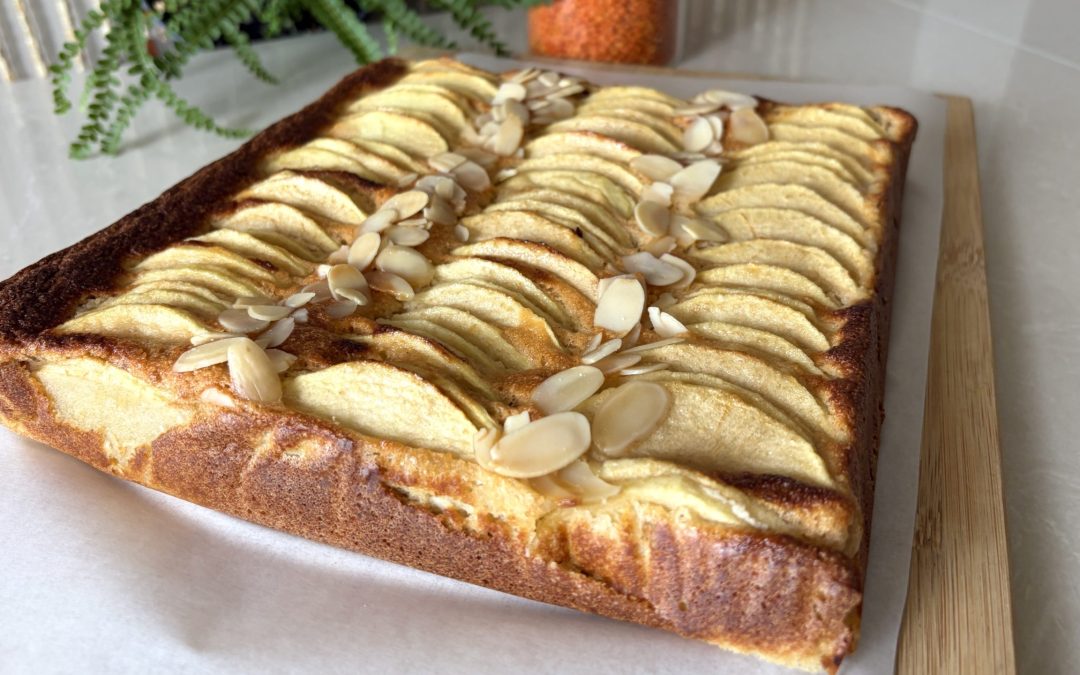
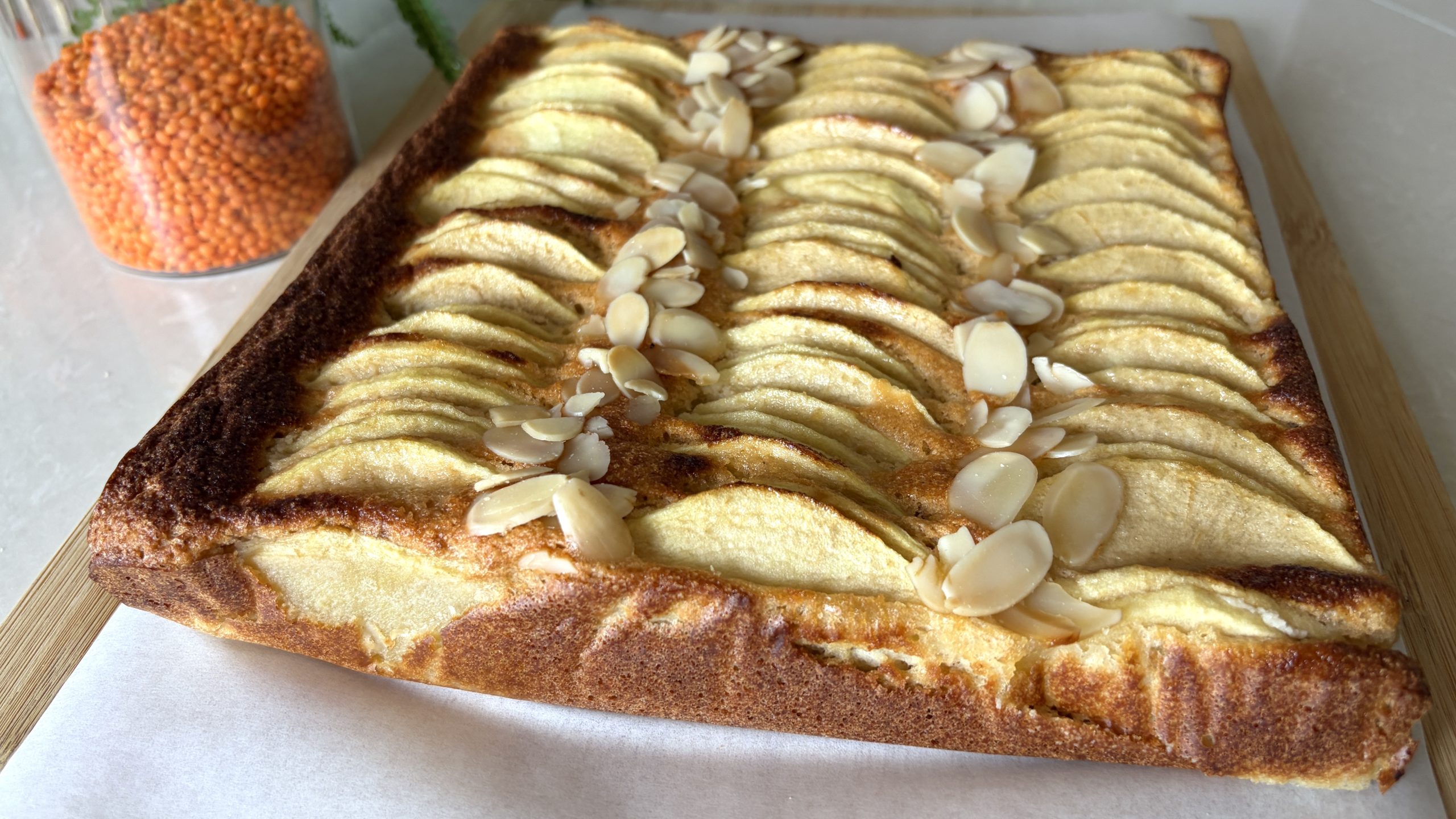
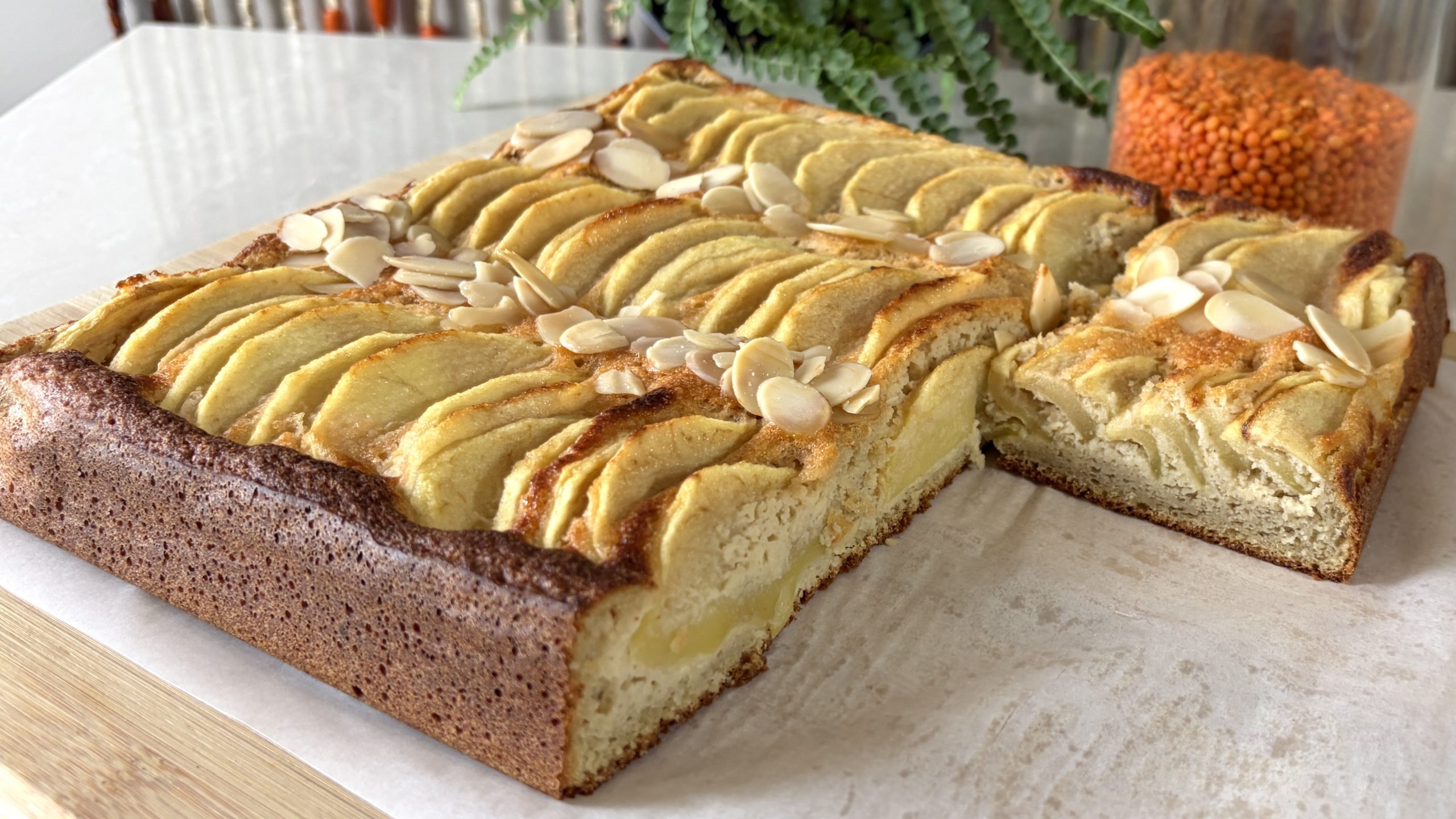
Who would’ve guessed that humble red lentils could transform into such a stunning, mouthwatering apple cake? If you told me a few years ago that one of my absolute favorite fall treats would be made without a single speck of refined grain or traditional baking flour, I probably wouldn’t have believed you! This is truly the kind of cozy recipe that makes you look twice at the ingredient list—because despite having zero traditional flour, every slice turns out unbelievably soft, light, beautifully apple-filled, and packed with incredible flavor. Red lentils bring an amazing boost of plant-based protein and dietary fiber right into the cake base, while applesauce keeps every bite naturally moist without needing heavy butter.

Combined with a splash of pure maple syrup, airy whipped egg whites, and a gorgeous lattice-like top layer of thinly sliced fresh apples, this naturally gluten-free treat offers all the nostalgia and warmth of a classic French apple tart, but with a surprisingly wholesome, nourishing twist. It’s total proof that eating well never means sacrificing comfort or sweetness! Whether you’re whipping it up for apple season, serving it as a protein-packed weekday breakfast, enjoying it alongside your afternoon tea, or ending the evening with a lighter dessert, this recipe is guaranteed to become a staple in your kitchen rotation.

Red lentils are an absolute nutrition powerhouse that deserve a prime spot in your regular diet! Loaded with complex, slow-burning carbohydrates, abundant soluble and insoluble fiber, and clean plant-based protein, they deliver steady, long-lasting energy without those sudden blood sugar spikes. Beyond macronutrients, red lentils are naturally rich in essential micronutrients like folate, iron, potassium, and magnesium, as well as protective antioxidants. Making red lentils a routine part of your eating habits works wonders for supporting gut health, promoting smooth digestion, aiding heart function, and keeping you feeling comfortably full for hours. Blending them into everyday baked goods is such a clever, seamless way to upgrade your family’s favorite treats with high-value nutrition!

Ingredients

  • ¾ cup (140 g) red lentils, dry
  • 2 eggs, separated
  • ¼ cup (60 ml) maple syrup, plus 1 ½ tbsp for brushing the apples (optional)
  • ¼ cup (60 ml) avocado oil, or your oil of choice
  • 100 ml applesauce (about ⅓–½ cup or 100 g)
  • ½ tsp vanilla extract
  • 1 tsp baking powder
  • Pinch of salt
  • 3 large apples (about 520 g)
  • 15 g almond slices, for topping (optional)
  • Oil, for greasing the pan

Instructions

  1. Soak the red lentils for at least 4 hours at room temperature, or overnight in the refrigerator.
  2. Rinse the soaked lentils thoroughly under running water and drain them very well.
  3. Separate the eggs, placing the whites in a separate bowl and reserving the yolks for the batter.
  4. Transfer the drained lentils to a blender or mixing bowl. Add the egg yolks, maple syrup, avocado oil, and applesauce, then blend until completely smooth and creamy.
  5. Stir in the vanilla extract and baking powder until evenly incorporated.
  6. In a clean separate bowl, whisk the egg whites with a pinch of salt until stiff peaks form.
  7. Gently fold the whipped egg whites into the lentil mixture, taking care not to deflate them so the batter remains light and airy.
  8. Grease a 9 × 9-inch (22 × 22 cm) square or circular baking pan with oil and line it with parchment paper.
  9. Pour the batter into the prepared pan and gently shake the pan to spread it evenly.
  10. Clean, peel, and core the apples, then slice them into thin, equal slices. Arrange the slices in neat columns across the batter to create the characteristic apple-cake or apple-tart look.
  11. Sprinkle almond slices into the small spaces between the columns of apples, then brush the apple slices with maple syrup to encourage a beautiful golden finish.
  12. Bake in a preheated oven at 350°F (180°C) for about 40–45 minutes.
  13. Let the cake cool for 10 minutes before slicing and serving.

Nutritional Information

Per 1 Serving:

  • Energy: 218 calories
  • Protein: 6.35 g
  • Fat: 9.45 g
  • Carbohydrates: 28.85 g
  • Fiber: 3.8 g

Prep, Cook, and Servings

  • Servings: 8 Servings
  • Soaking: Soaking Overnight
  • Prep Time: 30 mins Prep
  • Cook Time: 45 mins Baking

Notes and Recommendations

  • Store the cooled cake in an airtight container in the refrigerator for up to 5 days.
  • The cake can also be frozen. Slice it first, wrap the pieces well, and freeze for up to about 3 months.
  • It’s delicious slightly chilled, but you can also let it come to room temperature before eating.
Cottage Cheese Cheesecake

Cottage Cheese Cheesecake

Cottage Cheese Cheesecake

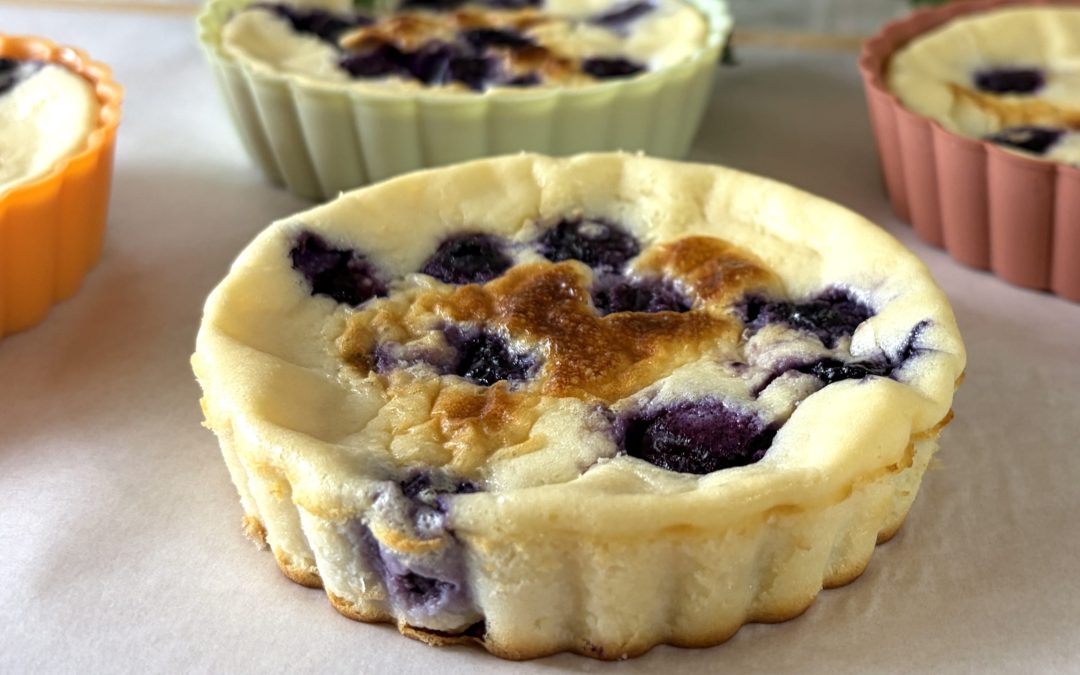
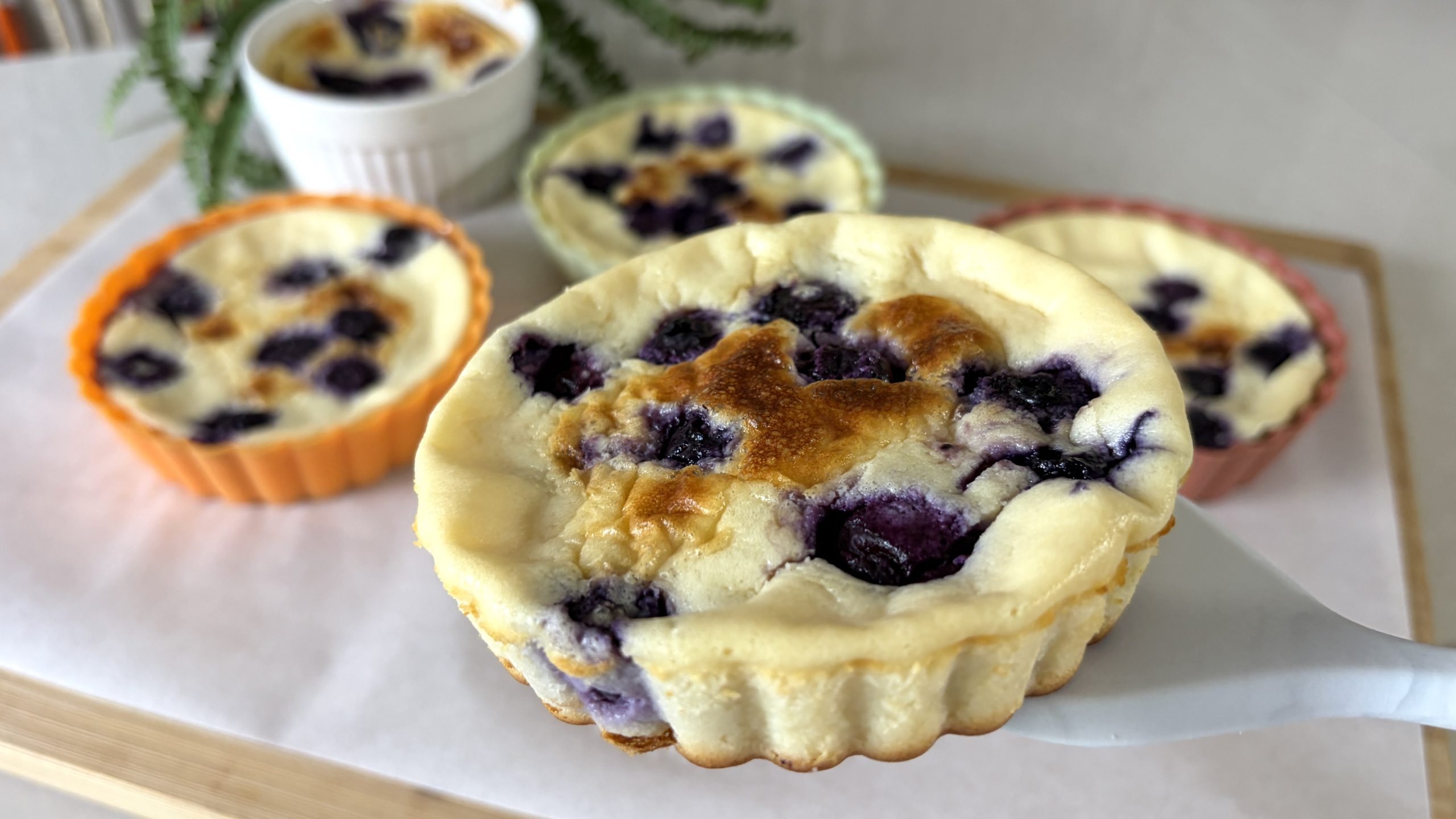
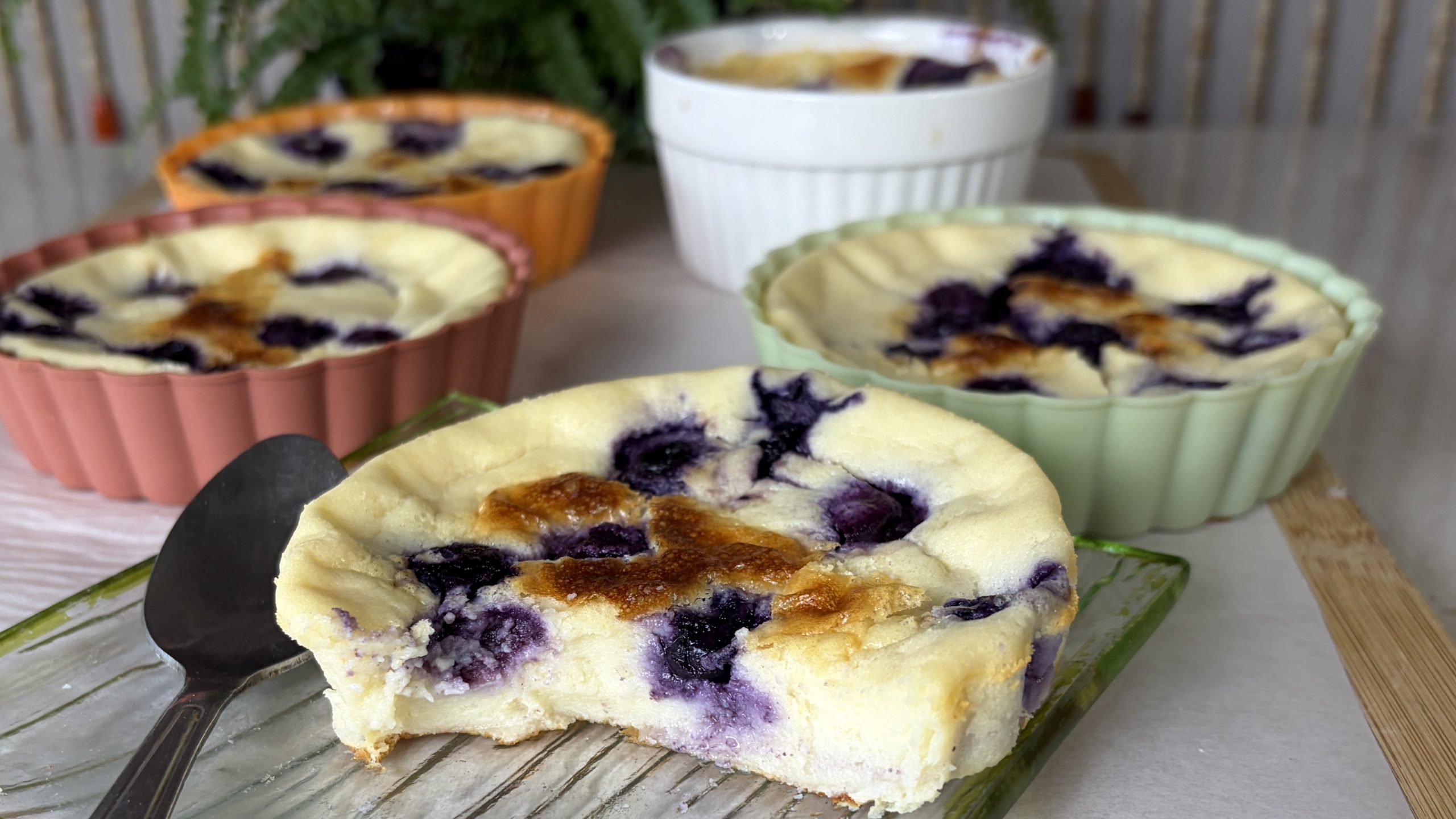
If you are craving a rich, velvety cheesecake but want a lighter, protein-packed option you can enjoy on a daily basis, this healthy Cottage Cheese Cheesecake is the perfect solution! It delivers a wonderfully creamy texture with a touch of natural sweetness from maple syrup and juicy blueberries folded throughout. The preparation is absolute perfection for busy days—no crust to roll out, no wheat flour required, and none of those high-maintenance cheesecake water bath techniques. Simply blend a handful of whole-food ingredients together, pour them into individual molds, and bake.

Cottage cheese is the absolute star ingredient of this recipe, providing a delightfully rich and smooth texture while significantly boosting the protein content. Packed with high-quality casein protein, calcium, phosphorus, and essential B vitamins, cottage cheese is a powerhouse food that supports muscle repair, promotes long-term bone health, and keeps you feeling full and satisfied between meals. Including cottage cheese regularly in your diet is a simple, delicious way to elevate your daily protein intake without relying heavily on powders, making it a smart, nutrient-dense staple for any balanced lifestyle.

Combined with whole eggs, these mini cheesecakes make a satisfying snack or dessert that feels indulgent without leaving you weighed down. Because we use cornstarch instead of traditional wheat flour, this dish is naturally gluten-free. Finished with fresh or frozen blueberries for a burst of antioxidant-rich sweetness, these personal portion cheesecakes are simple, wholesome, and completely delicious.

Ingredients

2 cups (400 g) cottage cheese ¼ cup (60 ml) maple syrup 3 tbsp (30 g) cornstarch 2 eggs ½ tsp vanilla extract 1 cup (100 g) frozen blueberries or fresh blueberries (or your fruit of choice)

Instructions

  1. Preheat the oven to 330°F (165°C).
  2. In a mixing bowl, combine the cottage cheese, maple syrup, and cornstarch.
  3. Blend the mixture using a hand blender or food processor until completely smooth and creamy.
  4. Add the eggs and vanilla extract to the cottage cheese mixture.
  5. Mix again just until the eggs are evenly incorporated, avoiding overmixing the batter.
  6. Pour the creamy cheesecake batter into individual ramekins or silicone mini tart molds placed on a baking tray.
  7. Fill each mold to approximately 80% of its capacity, leaving some room for the cheesecake to rise during baking.
  8. Scatter the blueberries into the cheesecake mixture, using either frozen or fresh fruit, or another fruit of your choice.
  9. Place the baking tray in the preheated oven.
  10. Bake for 20–25 minutes, depending on whether you prefer a firmer or softer cheesecake texture.
  11. Remove the cheesecakes from the oven and allow them to cool completely at room temperature, noting that they will naturally deflate slightly as they cool.
  12. Once completely cooled, refrigerate them for a few hours to allow the texture to set properly.
  13. Remove the chilled cheesecakes from the molds and serve with extra fresh fruit or your preferred topping.

Prep, Cook, and Servings

Prep time: 20 minutes

Baking time: 20–25 minutes

Chilling time: 3 hours in the fridge

Servings: 5 servings

Nutritional Information

Per 1 Serving:

Energy: 191 calories

Protein: 11.6 g

Fat: 5.42 g

Carbohydrates: 23.41 g

Fiber: 0.4 g


Notes and Recommendations

  • Store in an airtight container in the refrigerator for 3 to 5 days.
  • Freeze individually, well wrapped or in an airtight container, for up to 2 months.
  • Transfer frozen cheesecakes to the refrigerator overnight to thaw before serving.
  • For the best texture, add fresh fruit or other toppings just before serving.