Baked Falafel Burgers

Baked Falafel Burgers

Baked Falafel Burgers

Falafel is one of the Middle East’s most iconic and beloved street foods, enjoyed for generations thanks to its irresistible combination of fragrant herbs, warm spices, and satisfying texture. Traditionally, falafel is prepared by blending chickpeas with fresh parsley, garlic, onion, and aromatic seasonings before shaping the mixture into small patties or balls and deep-frying them until crispy and golden. Whether tucked into warm pita bread, served alongside fresh salads, or enjoyed as part of a colorful mezze platter, falafel has become a favorite around the world for its rich flavor and wholesome plant-based ingredients.

Today we’re giving this classic recipe a practical and healthier twist by transforming it into thick, hearty baked falafel burgers that are perfect for sandwiches, meal prep, or quick weeknight dinners. Instead of deep frying, these burgers are baked until lightly crisp around the edges while remaining tender and flavorful inside. They’re made with scratch-cooked chickpeas, making them an excellent recipe for anyone who enjoys batch cooking legumes ahead of time and freezing portions for future meals. Best of all, there’s no flour or starch needed to hold everything together—the chickpeas naturally create a firm, cohesive mixture while preserving the authentic taste of traditional falafel.

These homemade falafel burgers are incredibly versatile and can be served inside your favorite burger buns, gluten-free bread, lettuce wraps, or alongside fresh vegetables for a lighter meal. Pair them with creamy Greek yogurt garlic sauce, hummus, tahini, avocado, tomatoes, cucumbers, lettuce, pickles, or even homemade ketchup for a colorful burger that’s packed with flavor and nutrition. Whether you’re looking for an easy vegetarian lunch, a satisfying meatless dinner, or a healthy meal-prep recipe to keep in the freezer, these baked falafel burgers deliver restaurant-quality taste with simple pantry ingredients.

One of the biggest nutritional stars of this recipe is chickpeas. These humble legumes are naturally rich in plant-based protein, dietary fiber, iron, folate, magnesium, phosphorus, manganese, potassium, and several B vitamins that support energy production and overall health. Their combination of protein and fiber promotes long-lasting fullness, helps stabilize blood sugar levels, supports healthy digestion, and contributes to heart health by helping maintain healthy cholesterol levels. Chickpeas also provide important minerals involved in immune function, muscle performance, and red blood cell production. Including chickpeas regularly in your diet is an easy and affordable way to increase your intake of nutrient-dense plant foods while reducing reliance on heavily processed ingredients. Combined with antioxidant-rich parsley, heart-healthy olive oil, and flavorful spices, these baked falafel burgers become a wholesome meal that’s nourishing, satisfying, and easy to enjoy any day of the week.

Ingredients

For Homemade Cooked Chickpeas (Optional)

  • 1 cup (190 g) dried chickpeas (yields approximately 2 cups or 335 g cooked)
  • Water, for soaking and cooking

For the Falafel Burgers

  • 2 cups (335 g) cooked chickpeas (homemade or canned, rinsed and drained)
  • 40 g onion, chopped
  • 2 garlic cloves
  • 25 g fresh parsley, chopped
  • ½ tsp salt
  • ½ tsp black pepper
  • ½ tsp paprika
  • 1 tsp ground coriander
  • ½ tsp baking powder
  • 2 tbsp olive oil

Directions

  1. Soak the dried chickpeas overnight in plenty of water if preparing them from scratch.
  2. Drain the soaked chickpeas and cook them in an Instant Pot with fresh water until tender. Drain well and allow them to cool slightly.
  3. If cooking extra chickpeas, divide them into freezer-friendly portions for future recipes.
  4. Add the cooked chickpeas, onion, garlic, parsley, olive oil, baking powder, salt, pepper, paprika, and ground coriander to a food processor. Blend until the mixture becomes smooth and cohesive while remaining soft enough to shape. No flour or starch is needed.
  5. Preheat the oven to 350°F (175°C) and line a large baking tray (approximately 37 × 25 cm) with parchment paper.
  6. Place a burger ring mold (about 10 cm / 4 inches in diameter) on the tray and fill it with the falafel mixture, pressing gently to form thick patties about 1–1½ cm thick.
  7. Carefully remove the mold and repeat until all the mixture has been used, leaving space between each burger.
  8. Bake for about 30 minutes, or until the burgers are lightly golden around the edges and feel firm when gently touched.
  9. Allow the burgers to cool for a few minutes before handling. This helps them firm up and makes assembling the sandwiches easier.
  10. Small cracks may appear during baking because the recipe contains no flour or starch. This is completely normal and does not affect the texture or flavor.
  11. Serve warm with your favorite toppings such as Greek yogurt garlic sauce, avocado, tomatoes, lettuce, cucumbers, pickles, hummus, tahini, or homemade ketchup.

Prep Time, Baking Time & Servings

  • Prep Time: 20 minutes (plus overnight soaking if using dried chickpeas)
  • Cooking Time (Chickpeas): About 20 minutes in an Instant Pot
  • Baking Time: 30 minutes
  • Oven Temperature: 350°F (175°C)
  • Servings: 6 falafel burgers

Nutritional Information (Per Burger)

  • Calories: 140 kcal
  • Protein: 5.32 g
  • Fat: 6.08 g
  • Carbohydrates: 17.26 g
  • Fiber: 4.7 g

Storage & Recommendations

  • Dietary Information: Vegan, naturally gluten-free, dairy-free, and flour-free.
  • Store leftover falafel burgers in an airtight container in the refrigerator for up to 5 days.
  • Freeze cooked burgers in freezer-safe containers or bags for up to 3 months.
  • Allow the burgers to cool for several minutes after baking before handling to help them become firmer.
  • Batch-cook chickpeas and freeze them in measured portions to make this recipe even quicker next time.
  • These burgers pair wonderfully with Greek yogurt garlic sauce (or a dairy-free alternative), hummus, tahini sauce, avocado, tomatoes, lettuce, cucumbers, onions, pickles, sprouts, or homemade ketchup.
  • Serve with a fresh salad, roasted vegetables, baked sweet potato fries, or crispy potato wedges for a complete meal.
Wasa-Inspired Crackers

Wasa-Inspired Crackers

Wasa-Inspired Crackers

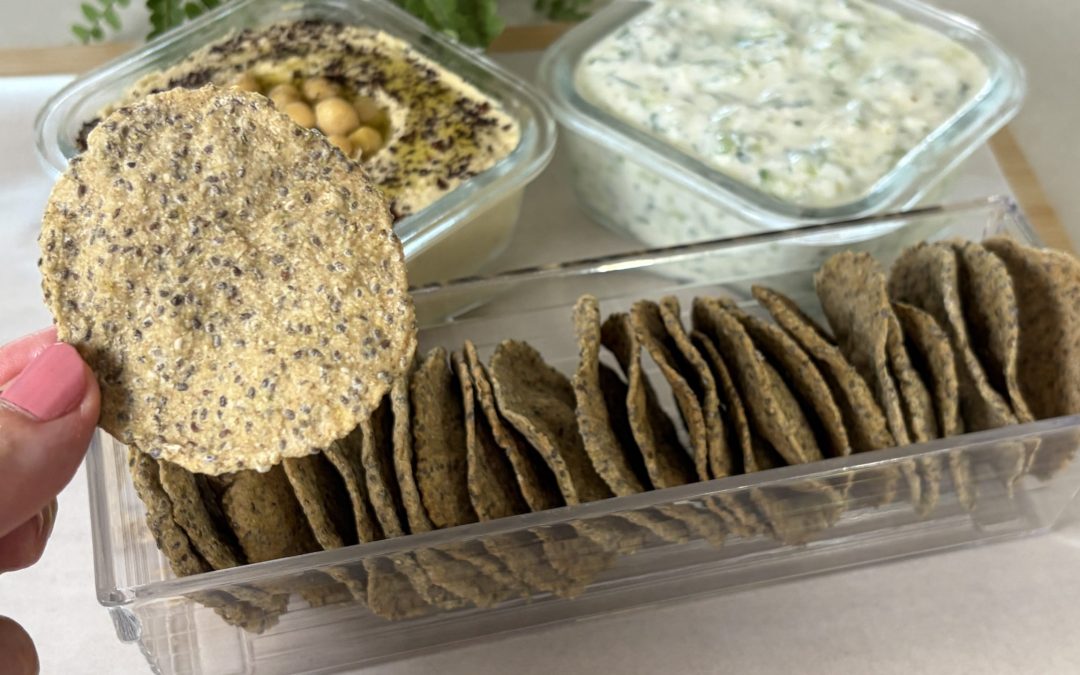
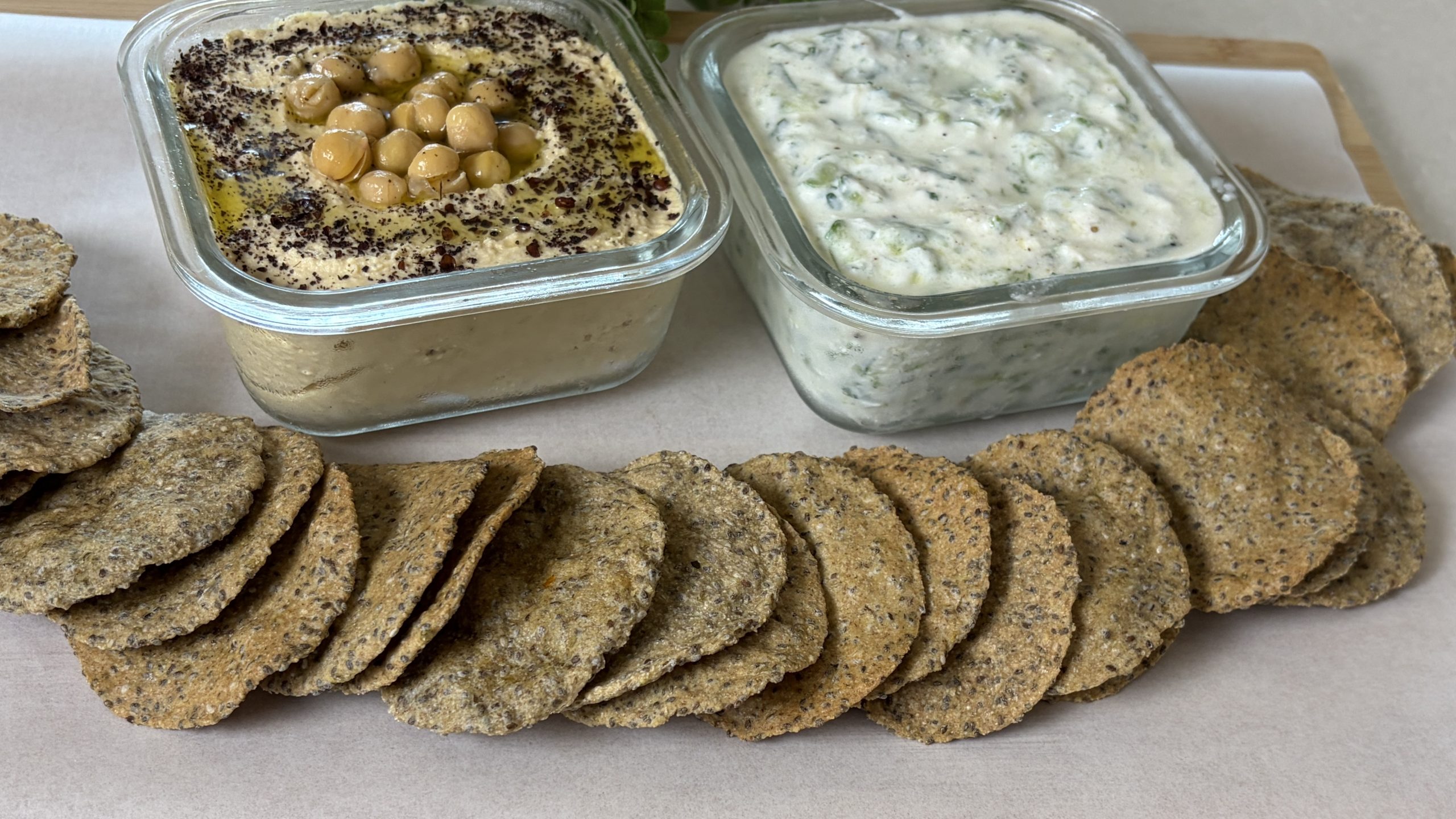
These homemade crackers are inspired by the popular Wasa crackers, a Scandinavian classic known for their crisp texture, simple ingredient list, and reputation as a healthier alternative to many refined, ultra-processed crackers. Traditionally made with whole grains and minimal additives, Wasa-style crackers are hearty, filling, and nutritionally smarter than most commercial options found in the grocery aisle. This gluten-free version builds on that idea by combining oats with a variety of nutrient-dense seeds to significantly increase fiber, plant-based protein, and essential minerals. Caraway seeds are the secret ingredient here, recreating that characteristic, nostalgic Wasa flavor, while a touch of yeast—used mainly for flavor development rather than rising, adds a deep, savory complexity. The result is a sturdy, nourishing cracker that holds up beautifully under a mountain of toppings, making it a versatile staple for your healthy pantry.

The foundation of this recipe relies on oats, an incredible superfood that truly deserves a place in your regular diet. Oats are famously rich in beta-glucan, a type of soluble fiber that has been scientifically shown to improve heart health by lowering “bad” LDL cholesterol and supporting a healthy gut microbiome. Beyond their cardiovascular benefits, oats provide a steady release of energy thanks to their low glycemic index, which helps prevent those midday blood sugar crashes.

They are also a fantastic source of essential minerals like manganese, phosphorus, and magnesium, which are vital for bone health and metabolic function. By incorporating oats into your snacks, you are prioritizing long-term satiety and metabolic health, ensuring your crackers do more than just satisfy a crunch—they actually fuel your body with high-quality nutrients.

Ingredients

  • 1 1/2 cups (125 g) oats

  • 1/3 cup (50 g) pumpkin seeds

  • 1/3 cup (50 g) golden or dark flaxseeds

  • 1/3 cup (45 g) sesame seeds

  • 1/2 tbsp caraway seeds

  • 1/4 tsp salt

  • 1 tbsp instant yeast

  • 2 tbsp olive oil (optional)

  • 3/4 to 1 cup (180–240 ml) lukewarm water

Instructions

  1. Begin by adding the oats, pumpkin seeds, flaxseeds, sesame seeds, and caraway seeds to a food processor.
  2. Blend the mixture until a soft, fine flour forms, though it is perfectly fine to have some visible texture remaining from the seeds for a more rustic feel.
  3. Add the salt, instant yeast, olive oil (if using), and the lukewarm water to the processor bowl.
  4. Blend again until the mixture comes together into a cohesive, thick dough.
  5. If the dough feels a bit too sticky to handle, stop blending and let it rest for 15 to 30 minutes to allow the oats and seeds to fully absorb the moisture.
  6. Transfer the dough onto a work surface lined with a sheet of parchment paper.
  7. Lightly flatten the dough with your hands, then cover it with a second sheet of parchment paper to prevent sticking.
  8. Roll the dough evenly until it is about 8 mm thick, or adjust the thickness according to your personal preference.
  9. Cut the rolled dough into large rectangular crackers, approximately 11 cm long and 5 cm wide, to mimic the classic Wasa shape.
  10. Transfer the parchment paper with the cut crackers onto a large baking tray (about 37 × 26 cm).
  11. Dock each cracker with a fork by poking holes across the surface; this allows moisture to escape and ensures they stay flat while baking.
  12. Bake in a preheated oven at 180°C (350°F) for 20 minutes.
  13. Reduce the oven temperature to 175°C (340°F) and continue baking for an additional 30 minutes to allow them to dry out fully without browning too much.
  14. Remove from the oven and let the crackers cool completely on the tray, as they will continue to harden and become perfectly crisp as they sit.

Nutritional Information

Per 1 Cracker:

  • Energy: 99 calories

  • Protein: 3.8 g

  • Fat: 6.86 g

  • Carbohydrates: 6.95 g

  • Fiber: 2.4 g

Prep, Cook, and Servings

  • Prep: 30 mins

  • Cook: 50 mins

  • Servings: 16 Wasa Crackers

Notes and Recommendations

  • Dietary Compatibility: This recipe is naturally Vegan and Gluten-Free if using an oat brand that certified it’s gluten free.

  • Cooling is Key: Always allow the crackers to cool completely before storing; this is what locks in that signature “snap.”

  • Storage: Keep your crackers in an airtight container at room temperature to maintain their crispness for up to two weeks.

  • Savory Toppings: These are perfect as a base for savory options like smoked salmon, avocado, hard-boiled eggs, or cream cheese.

  • Sweet Pairings: For a lighter treat, try them with nut butter or your favorite fruit spreads.

  • Texture Tip: If you prefer an extra-thin cracker, roll the dough thinner and reduce the second baking stage by 5-10 minutes, keeping a close eye on the color.

Carrot Flatbread

Carrot Flatbread

Carrot Flatbread

If you’ve been searching for a soft, flexible, and wholesome bread alternative that’s easy to make and packed with real ingredients, this carrot flatbread might just become your new favorite kitchen staple. It’s one of those simple recipes that surprises you, just a handful of everyday ingredients transforming into a beautifully pliable, naturally sweet, and nourishing wrap.

What I love most about this carrot and oat flatbread is how effortlessly it comes together. No complicated techniques, no yeast, no kneading. Just grate, mix, spread, and bake. The result? A golden, tender flatbread that folds beautifully around your favorite fillings, perfect for wraps, tacos, sandwiches, or even as a savory base for creative toppings.

Finely shredded fresh carrot blends seamlessly with oat flour, creating a dough that bakes into a flexible yet sturdy flatbread. The carrots distribute their natural moisture and subtle sweetness throughout, while oat flour provides structure and a satisfying texture. It’s simple, practical, and incredibly versatile.

Now let’s talk about why carrots deserve a regular place in your diet. Carrots are rich in beta-carotene, a powerful antioxidant that your body converts into vitamin A — essential for healthy vision, immune support, and skin health. They also provide fiber, which supports digestion and promotes satiety, helping you feel full longer. Regularly incorporating carrots into meals, even in creative ways like flatbreads, is a smart and delicious way to boost your daily vegetable intake. When you combine carrots with oat flour, you also benefit from beta-glucans found in oats, a type of soluble fiber known to support heart health, steady energy levels, and balanced blood sugar. Together, they create a nutrient-dense flatbread that feels light yet deeply nourishing.

This recipe is vegan and naturally gluten-free (as long as certified gluten-free oat flour is used), making it suitable for many dietary preferences. It’s especially helpful if you’re looking for healthy wrap alternatives or creative ways to include more vegetables in your meals.

Let’s make it!

Ingredients

  • 1 large carrot (275 g), finely shredded

  • 1 cup (90 g) oat flour

  • ½ tsp. salt

  • 1 tsp. baking powder (optional)

Directions

  1. Thoroughly wash and peel the carrot to remove any dirt or residue.
  2. Finely shred the carrot using a box grater or food processor.
  3. Transfer the shredded carrot to a large bowl and sprinkle it with the salt.
  4. Let it rest briefly to allow the salt to draw out excess moisture.
  5. Add the oat flour and baking powder (if using) to the carrot mixture.
  6. Gently stir until everything is evenly combined, avoiding overmixing.
  7. Check the texture — the dough should be slightly sticky but not runny.
  8. Line a large baking tray (about 37 cm × 26 cm) with parchment paper.
  9. Spread the mixture evenly and thinly over the tray using a spatula or rectangular scraper.
  10. Bake in a preheated oven at 350°F (180°C) for 20–25 minutes, or until the surface looks set and dry.
  11. Remove from the oven and allow it to cool slightly before cutting.
  12. Slice into large portions and enjoy warm as a wrap, sandwich base, taco shell, or flatbread.

Prep Time, Baking Time & Servings

  • Prep Time: 15 minutes

  • Baking Time: 20–25 minutes

  • Servings: 2 large flatbreads

Nutritional Information (Per 1 Serving)

  • Energy: 230 calories

  • Protein: 8.88 g

  • Fat: 3.45 g

  • Carbohydrates: 44.17 g

  • Fiber: 8.7 g

This flatbread is high in fiber, plant-based, and naturally gluten-free when using certified gluten-free oats.

Storage & Recommendations

  • Best enjoyed warm, when soft and flexible.

  • Once fully cooled, it tends to dry out — avoid prolonged exposure to air.

  • Store leftovers wrapped tightly in the refrigerator for up to 5 days.

  • Reheat gently in a pan or oven to restore softness before serving.

  • Ideal for wraps, tacos, sandwiches, or as a base for savory toppings.

Beet & Oat Mini Cakes

Beet & Oat Mini Cakes

Beet & Oat Mini Cakes

If you’ve been following my kitchen adventures for a while, you already know that I love sneaking whole foods, especially veggies, into my sweet treats. There’s something so satisfying about creating desserts that feel indulgent yet still nourish your body with real ingredients. And today, I’m sharing one of my favorite wholesome creations: Beet & Oat Mini Cakes.

These little cakes look vibrant and playful, and the best part? They’re naturally gluten-free, dairy-free, vegan, and made with nothing but simple pantry staples. The beets give them the most stunning color and a gentle sweetness that pairs beautifully with creamy peanut butter, cozy pumpkin pie spice, and the rustic flavor of oats. They’re soft, moist, perfectly tender, and incredibly easy to make, even on a busy day.

Let’s talk about the magic ingredient behind these mini cakes: beets.
Beets are one of the most nutrient-dense vegetables you can bake with. They’re rich in antioxidants, folate, potassium, nitrates, and fiber, all of which support healthy blood flow, energy production, digestion, and overall wellness. Their natural sugars caramelize beautifully during baking, giving these mini cakes a lovely softness without needing refined ingredients. Beets also offer natural anti-inflammatory benefits and help support stamina, making them an ingredient truly worth including in your regular diet.

Paired with oat flour, another nutritional powerhouse known for its beta-glucan fiber, slow-release carbohydrates, and essential minerals like magnesium and iron, these mini cakes become a nourishing treat that satisfies the body as much as it satisfies the craving for something sweet.

These Beet & Oat Mini Cakes are the perfect example of how real, whole foods can transform simple ingredients into something comforting, beautiful, and incredibly delicious.

Ingredients

  • 1 medium beet, cleaned, peeled, and shredded (about 90 g)

  • ⅓ cup (80 g) peanut butter

  • ¼ cup maple syrup or sweetener of choice

  • ¼ cup non-dairy milk

  • 1 cup (80 g) oat flour

  • 1 tsp baking powder

  • ¼ tsp pumpkin pie spice

  • 30 g walnuts or any nut/seed/chocolate chips for topping (optional)

Directions

  1. Preheat your oven to 350°F (180°C). Prepare a mini cake tray by lining it with paper liners or lightly greasing each cavity.
  2. Clean, peel, and finely shred the beet.
  3. In a mixing bowl, stir together the peanut butter and maple syrup until smooth and blended.
  4. Pour the non-dairy milk into the mixture and mix until the liquid is fully incorporated.
  5. Add the shredded beet to the bowl and gently fold to distribute it evenly throughout the batter.
  6. Add the oat flour, baking powder, and pumpkin pie spice. Mix until just combined, avoid over-mixing to keep the cakes soft and tender.
  7. Divide the batter evenly among the mini cake cups.
  8. Add walnuts or any nuts/seeds/chocolate chips on top if you want extra crunch and richness.
  9. Bake for 25 minutes, or until a toothpick inserted into the center comes out clean.
  10. Let the mini cakes cool slightly before transferring them to a cooling rack.
  11. Enjoy warm or completely cooled, delicious either way!

Servings, Prep Time & Baking Info

  • Servings: 6 mini cakes

  • Prep time: 20 minutes

  • Baking time: 25 minutes

  • Total time: ~45 minutes

Nutritional Information (Per Serving)

  • Energy: 212 calories

  • Protein: 6.53 g

  • Fat: 11.47 g

  • Carbohydrates: 23.4 g

  • Fiber: 2.8 g

Storage

  • Store at room temperature in an airtight container for 1–2 days.

  • Refrigerate for up to 1 week for maximum freshness.

  • Freeze for up to 3 months; thaw at room temperature.

Recommendations

  • Swap walnuts for pecans, almonds, pumpkin seeds, sunflower seeds, or chocolate chips depending on your preference.

  • For sweeter cakes, add an extra tablespoon of maple syrup.

  • For a breakfast version, pair with yogurt or a drizzle of nut butter.

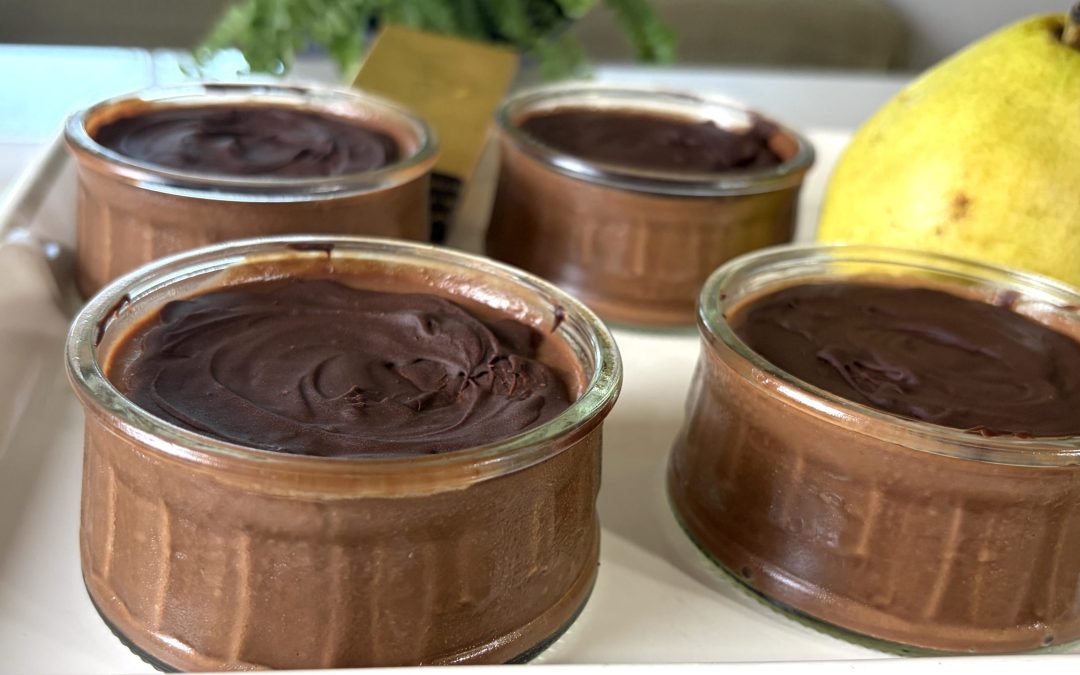
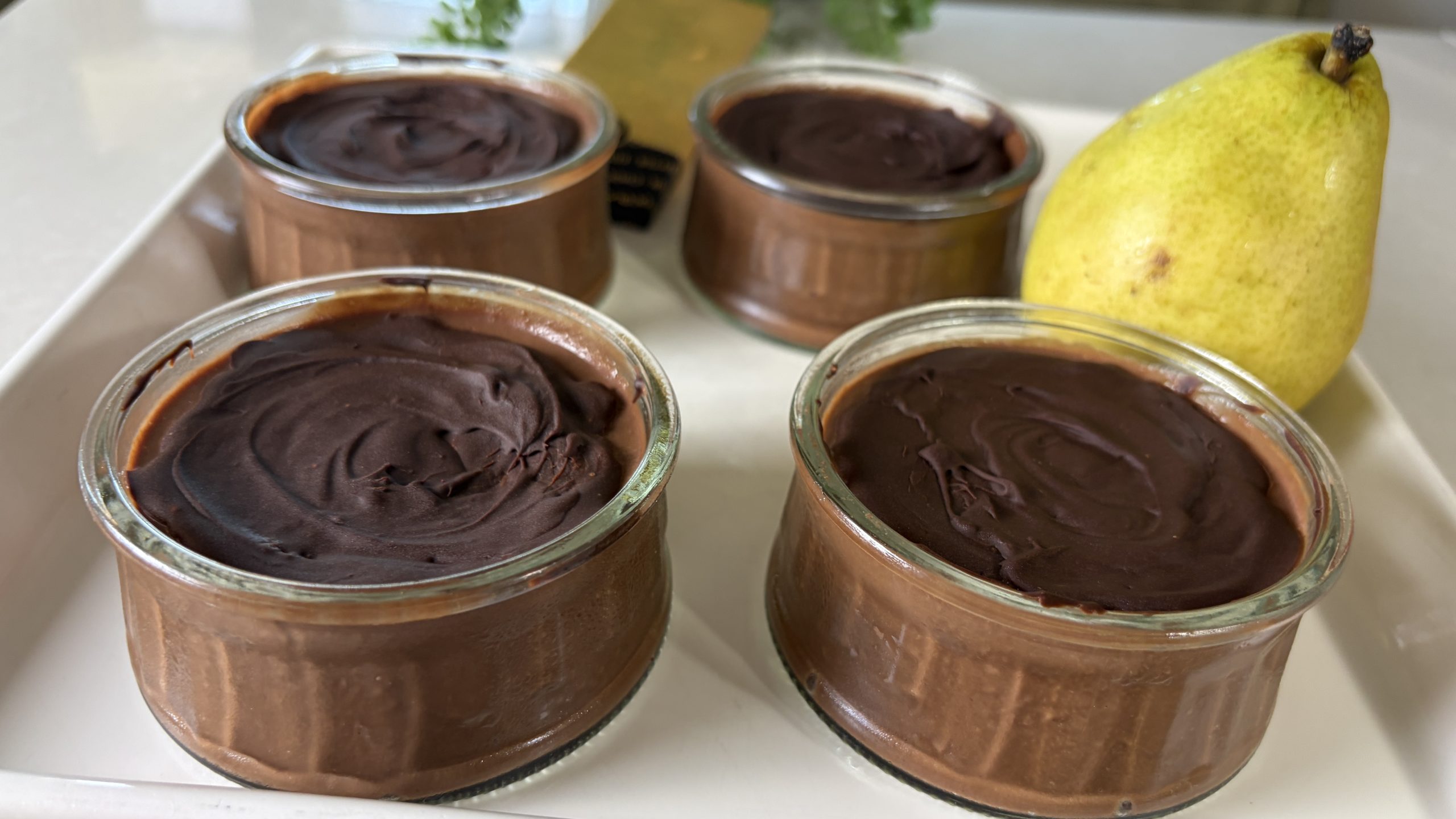
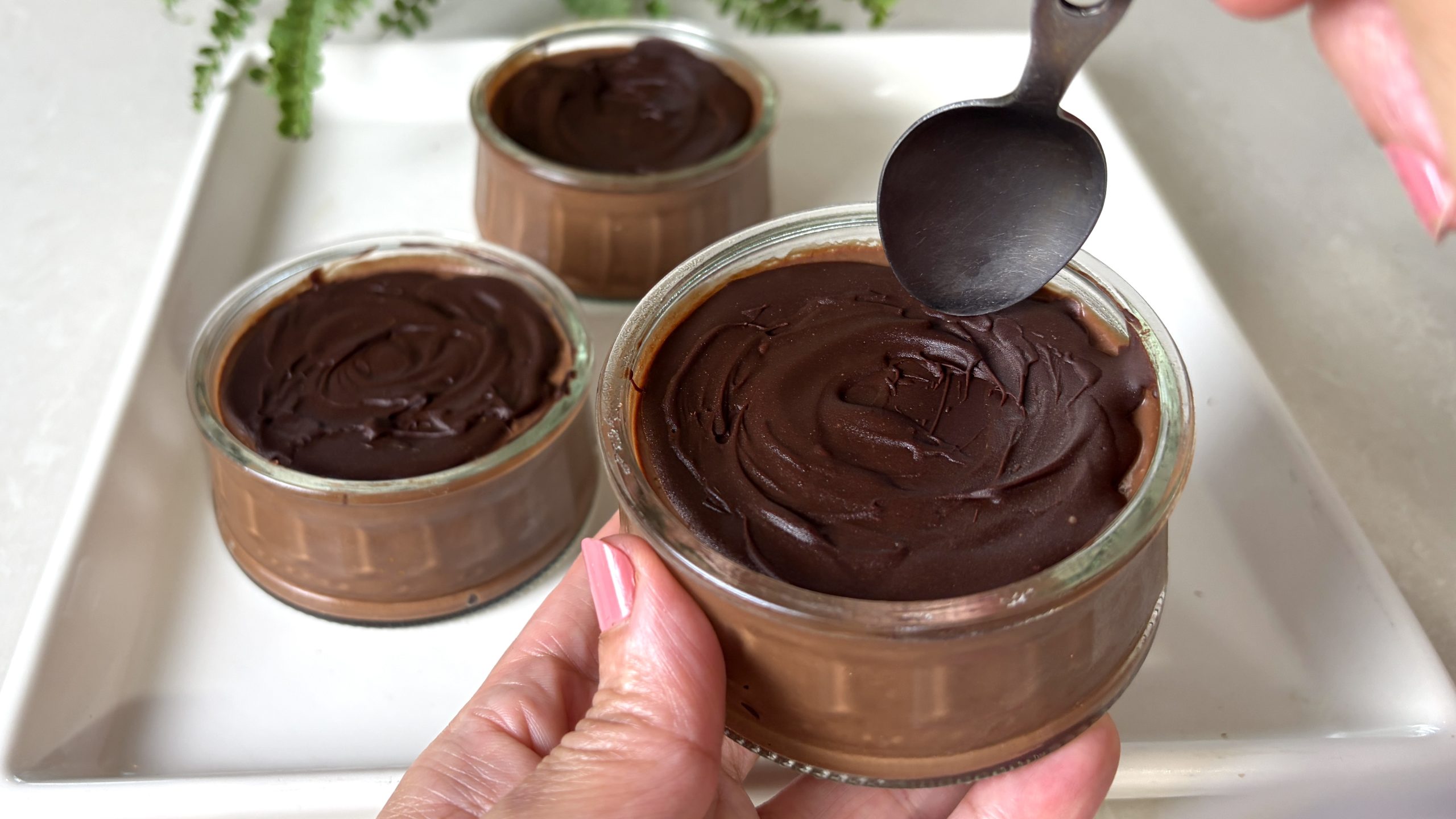
2-Ingredient Healthy Chocolate Mousse

2-Ingredient Healthy Chocolate Mousse

2-Ingredient Healthy Chocolate Mousse

There’s something about chocolate mousse that feels like pure magic, isn’t it? That silky, melt-in-your-mouth texture, the way each spoonful seems to melt away into bliss… it’s the kind of dessert we usually associate with indulgence, decadence, and a little bit of guilt. But what if I told you that you could enjoy all of that creamy, dreamy luxury with just two simple ingredients, and in a way that’s actually nourishing for your body? This 2-Ingredient Healthy Chocolate Mousse makes that possible. It’s one of those recipes that’s so easy, so clever, and so satisfying, you’ll find yourself making it on repeat.

The secret lies in the sweet potato. Now, don’t be fooled, sweet potatoes aren’t just for savory dishes or holiday casseroles. When cooked and blended, they turn unbelievably smooth and creamy, making them the perfect base for a mousse. They bring natural sweetness, fiber, and loads of nutrients to the table. Rich in vitamin A (thanks to their vibrant orange beta-carotene content), vitamin C, potassium, and manganese, sweet potatoes are a powerhouse for your immune system, skin health, and overall energy. The fiber in them also helps keep digestion happy and leaves you feeling full and satisfied, something you rarely get from traditional desserts. Including sweet potatoes regularly in your meals isn’t just a comfort-food choice, it’s a smart way to nourish your body with vitamins, antioxidants, and steady, slow-release energy.

And then, of course, there’s the star we all know and love, dark chocolate. Unlike milk chocolate, high-quality dark chocolate (especially 70% cacao or higher) is packed with antioxidants called flavonoids, which have been linked to heart health, improved circulation, and even better brain function. It also contains magnesium, iron, and copper, minerals your body needs to keep energy levels steady and support your nervous system. What makes dark chocolate even more special is the way it lifts your moodm, it helps trigger the release of “feel-good” chemicals in the brain, giving you a natural little happiness boost with every bite. That’s why pairing dark chocolate with sweet potatoes is such a winning combination: you’re not only satisfying your sweet tooth, but also giving your body a dessert that supports your health.

So the next time you’re craving something sweet, rich, and chocolatey, skip the store-bought mousse or heavy cream-based recipes and give this a try. With only two wholesome ingredients, you’ll be amazed at how indulgent, smooth, and chocolatey it tastes. It’s proof that dessert can be both delicious and nourishing, and once you try it, I promise you’ll never look at chocolate mousse the same way again.

Ingredients

  • 2 medium-sized raw sweet potatoes (300 g raw or ≈ 250 g steamed)

  • 120 g dark chocolate (70% or higher cacao recommended)

  • About ½ cup hot steaming water (reserved from steaming the sweet potatoes)

Directions

  1. Chop the dark chocolate into small chunks and place them in a mixing bowl.
  2. Clean, peel, and cut the sweet potatoes into large chunks.
  3. Steam the sweet potatoes for 15 to 20 minutes over medium heat until fork-tender.
  4. Reserve about half a cup of the hot steaming water.
  5. Pour the hot steaming water over the chocolate chunks and add the steamed sweet potatoes.
  6. Let the mixture rest for 3 to 5 minutes so the chocolate starts to melt.
  7. Blend everything together with a hand blender or food processor until smooth and creamy.
  8. Spoon the mousse into ramekins or serving glasses.
  9. Cover each container with plastic wrap.
  10. Chill in the refrigerator for at least 1 hour before serving.
  11. Serve cold, optionally garnished with cocoa powder, shaved chocolate, berries, or nuts.

Prep, Cooking & Servings

  • Prep time: 15 minutes

  • Steaming: 20 minutes

  • Chill time: 1 hour in the fridge

  • Servings: 3

Nutritional Information (per serving)

  • Energy: 316 calories

  • Protein: 5.14 g

  • Fat: 17.14 g

  • Carbohydrates: 35.83 g

  • Fiber: 6.6 g

This recipe is vegan and gluten-free.

Storage and Recommendations

  • Refrigerate covered for up to 5 days.

  • For the best flavor and health benefits, use high-quality dark chocolate with at least 70% cacao.

  • Garnish with berries, nuts, or cocoa powder before serving for added flavor and a beautiful presentation.